Vehicle access is usually restricted after a specific trigger. Unauthorised parking, safety complaints, damage to property, or conflict between pedestrians and vehicles can all lead to a decision to block entry.
Permanent solutions are attractive because they appear decisive. Fixed barriers, locked gates, and solid closures send a clear signal that access is no longer permitted. From a planning perspective, the issue looks resolved.
In practice, the impact of closing access is felt quickly.
Deliveries become harder to schedule. Waste collection may require manual handling. Trades and maintenance vehicles struggle to reach their destination. Emergency access plans often need revision.
In retail, hospitality, and industrial settings, these issues can disrupt day to day operations. In shared residential environments, the effects can be more persistent. Residents, visitors, service providers, and contractors all rely on predictable access. When access is removed entirely, informal workarounds tend to appear, often undermining the original safety goal.
Safety is frequently the reason access is closed. Removing vehicles is assumed to remove risk.
What often follows is a shift in risk rather than its removal. Vehicles stop in less suitable locations. Pedestrians cross in areas that were never intended for foot traffic. Temporary obstructions replace permanent ones. These changes can make a site harder to manage and less predictable.
Most properties are not static. Access requirements change across the day, the week, and the life of a site. Deliveries arrive at set times. Emergency services require unrestricted entry. Maintenance work cannot always be planned in advance.
Permanent closures struggle to accommodate these realities. Restoring access, even temporarily, often requires keys, staff involvement, or physical changes that slow operations and introduce new points of failure.
As a result, sites that rely on fixed closures often revisit the same access problem again and again.
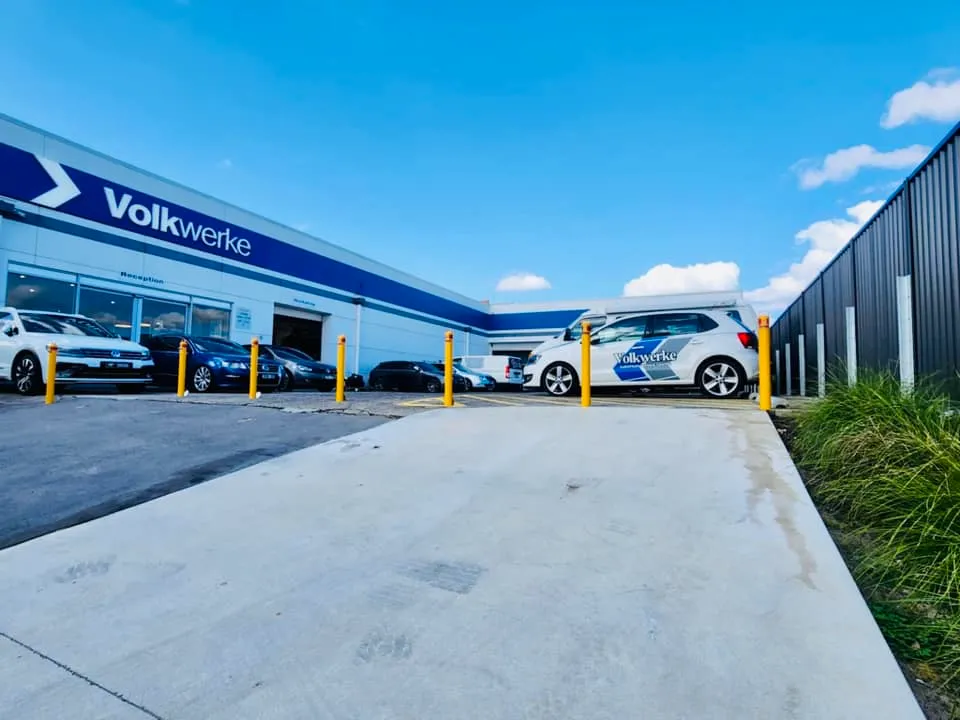
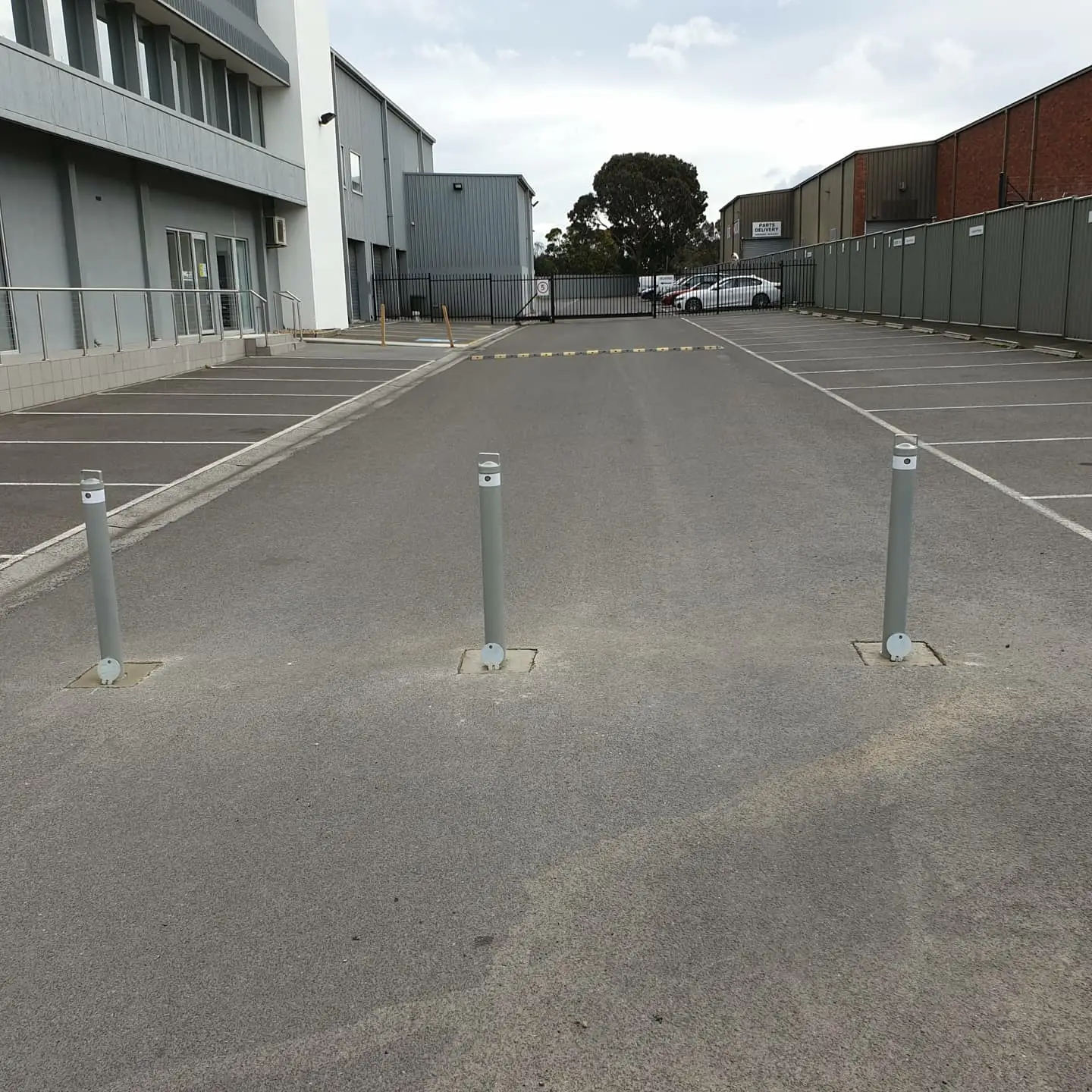
Access decisions tend to work best when they allow for change. Rather than treating access as permanently open or permanently closed, many sites benefit from solutions that allow control without removing flexibility.
Removable bollards are commonly used in these situations. When installed, they provide a clear physical barrier that prevents unauthorised vehicle access. When removed, they allow vehicles to enter without structural changes or ongoing intervention.
For property owners and managers, this approach supports safety while accommodating operational needs. It reduces reliance on informal workarounds and helps maintain predictable access for deliveries, services, and emergencies.
Where access needs to be restricted without being eliminated, removable bollards offer a practical way to manage shared spaces over time.