Ignoring bollard installation until the eleventh hour brings a rash of unwelcome problems.
These issues don't just sit in isolation; they ripple through the entire project. Each delay in bollard installation stretches timelines, hikes up labor costs, and can even affect insurance premiums for the completed site. Thinking about bollards early saves everyone a world of grief and expense.
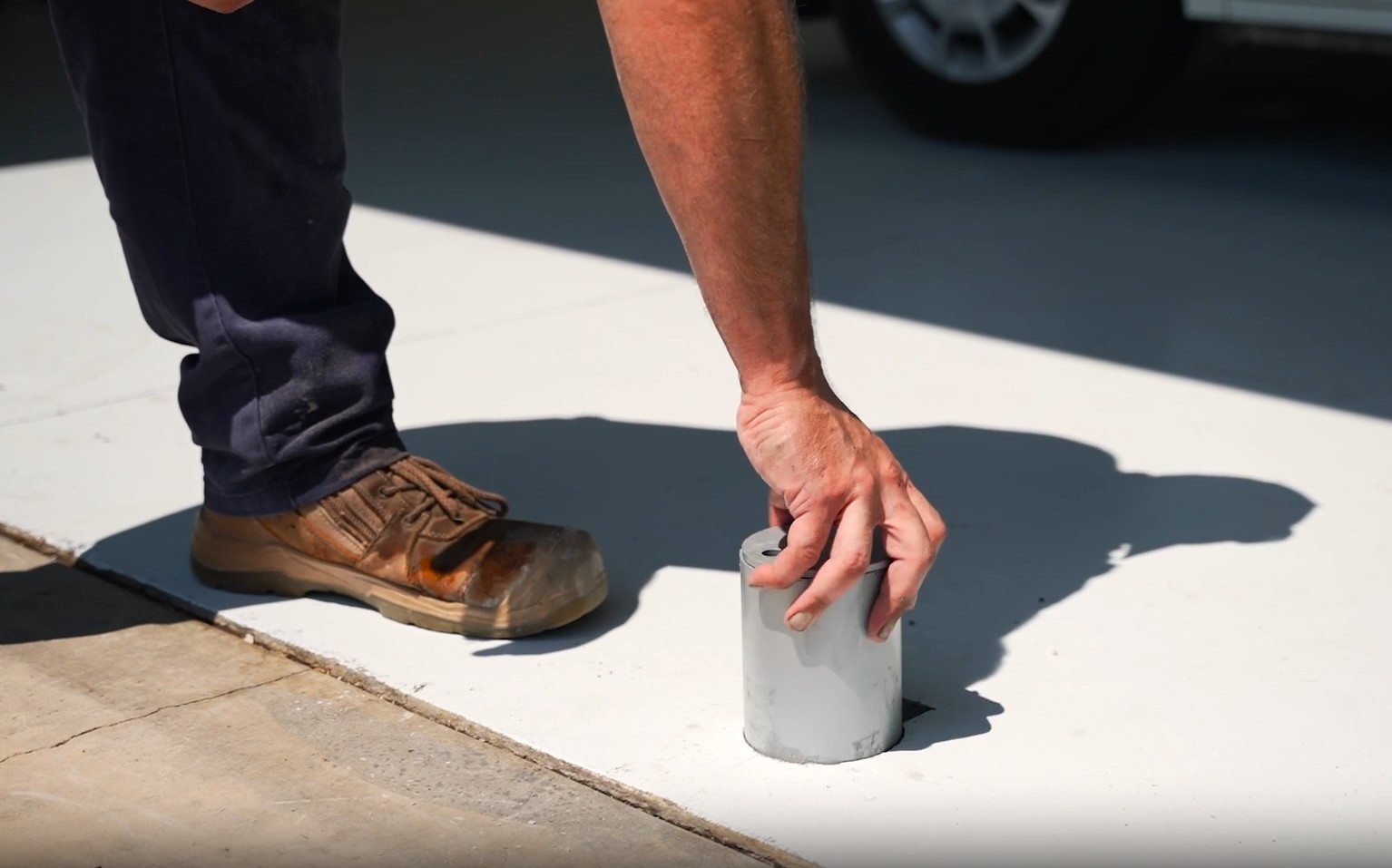
The ground you're working with dramatically changes how you put bollards in. Each surface calls for a specific approach, a particular kind of bollard to do the job right.
| Surface Type | Installation Notes | Recommended Bollard Type |
|---|---|---|
| Concrete slab | Core drilling, anchoring depth matters | In-ground, fixed steel |
| Asphalt | Needs extended flange or deeper foundation | Surface-mounted with plate |
| Pavers | Requires subgrade prep and secure edge restraint | Removable or decorative |
| Mixed-use flooring | May need engineered mounting detail | Flexible or impact-absorbing |
Understanding the surface dictates more than just the bollard type; it shapes the necessary spacing, the depth of the anchor, and the method of securing it. Get this wrong, and you might as well not have a bollard there at all.
Every bollard installation must bow to Australian standards, particularly AS/NZS 2890, which covers vehicle parking and access, and broader OH&S rules for vehicle barrier protection. This isn't just about sticking a pole in the ground; it's about making sure that pole actually does its job when it counts.
Consider these non-negotiables: the bare minimum impact resistance for high-risk spots, clear space between bollards and walls, entryways, or places people walk. Also, don't forget reflective tape and good night visibility. Then there are the quirks of local council and building certification — they often have their own specific demands.
Here are the compliance essentials:
Getting the timing right for bollard installation is crucial. Slotting it into the correct project stage avoids a ton of backtracking and redoing work.
Integrated planning means no ugly patches or costly do-overs. It makes the whole process smooth.
Mistakes in bollard placement are easy to make but painful to fix. Picture bollards too close to a door track, fouling up its operation, or planted right in a loading zone where they hinder, not help. Sometimes, surface-mounted bollards get used where you really need something sturdier, something with serious impact resistance. And don't get me started on overdoing it with removable types in places that cry out for rock-solid safety. Ignoring the turning radius of a delivery truck? That's just asking for trouble. Getting expert advice during the planning phase simply wipes out these headaches.
Our team at First Choice Bollards doesn't just sell you a product; we're in your corner from the very start. We dish out advice during the planning stages and help you sort through compliance details. Because we manufacture locally, you get the right materials and the peace of mind that everything meets Australian standards. We work directly with commercial builders and councils, making sure your site gets precisely what it needs.
For site-specific bollard installation advice, or to request a quote, contact the team or visit our bollard range page.
Yes, regulations like AS/NZS 2890 dictate spacing and height, especially for vehicle impact protection and maintaining clear access for pedestrians and vehicles in places like warehouses.
For asphalt, surface-mounted bollards with an extended flange or those requiring a deeper, more stable foundation are often the best choice for reliable vehicle impact protection.
The depth depends on the bollard type, the surface, and its purpose. In-ground steel bollards in high-risk zones, for instance, need a specific fixed depth to meet compliance and offer proper impact resistance.