

Why Installation Context Determines Bollard Performance 

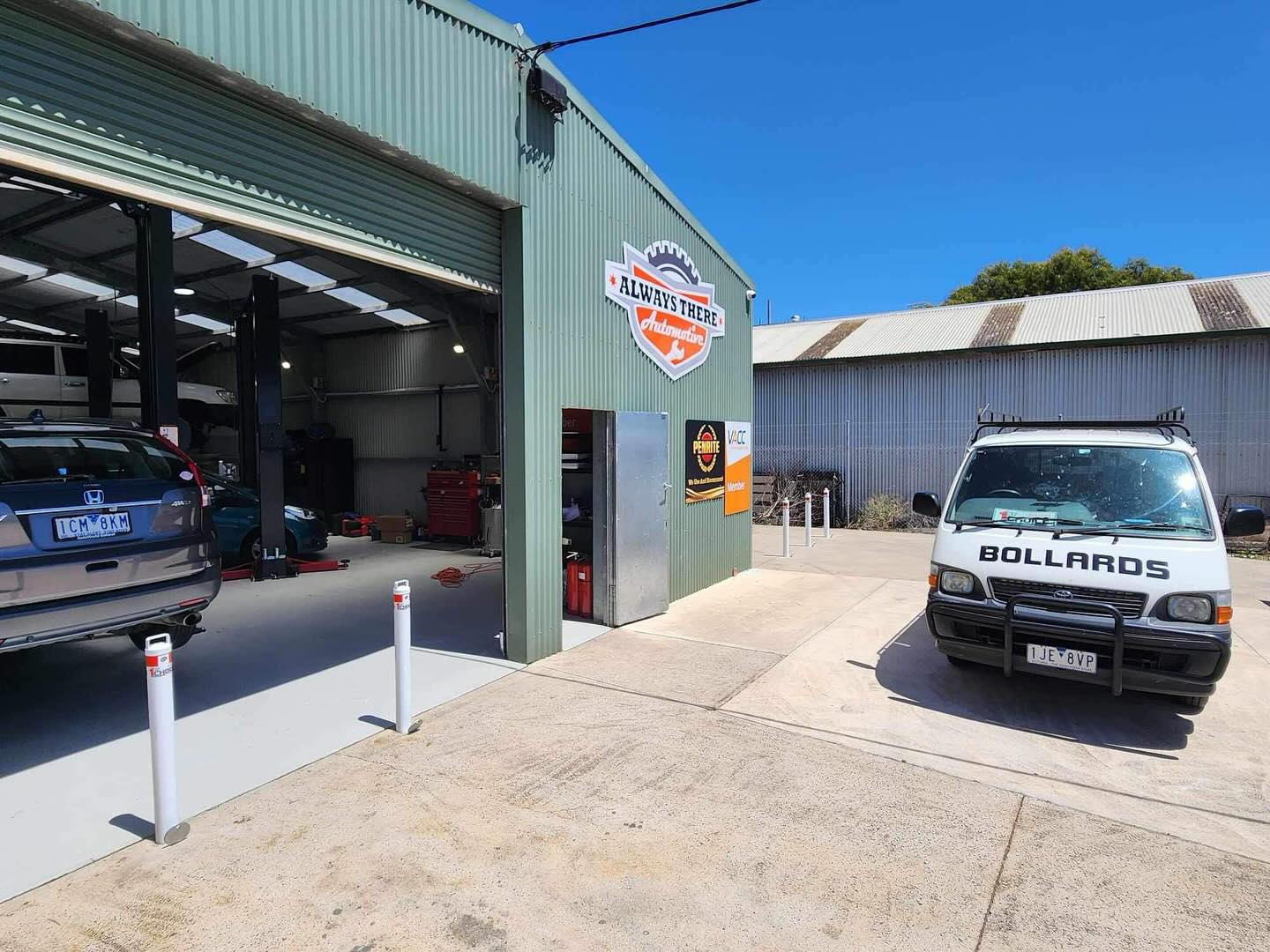
Once a compliant bollard has been selected, its real-world performance is shaped by installation context. Ground conditions, traffic patterns, spacing, environmental exposure, and site use all influence how effectively bollards perform over time.

Installation context determines whether standard bollards deliver consistent protection across different environments without the need for custom solutions.

Ground Conditions and Substrate

The surface into which a bollard is installed plays a significant role in its performance. Concrete thickness, soil composition, and the presence of underground services affect how a bollard behaves under load.

Installation conditions commonly vary between:

  • New builds, where substrates are known and prepared in advance
  • Existing sites, where slab depth and ground conditions may differ across the site

Even when the same standard bollard is used throughout a project, installation methods may change to suit local conditions. Bollards are designed to perform within defined installation parameters, and meeting those parameters on site supports long-term durability.

Vehicle Movement and Speed

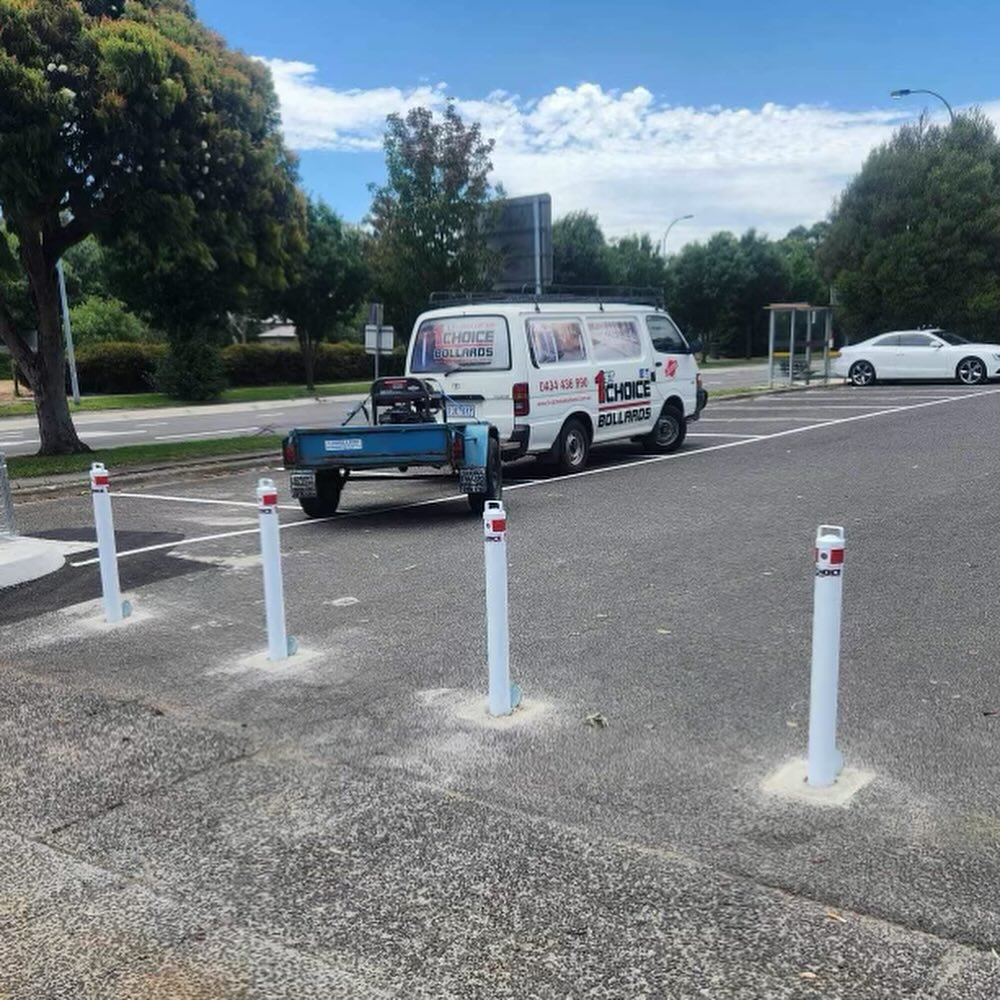
Vehicle behaviour within a space directly influences bollard performance. Areas with controlled, low-speed traffic place different demands on bollards than environments where vehicles frequently manoeuvre or reverse.

Common examples include:
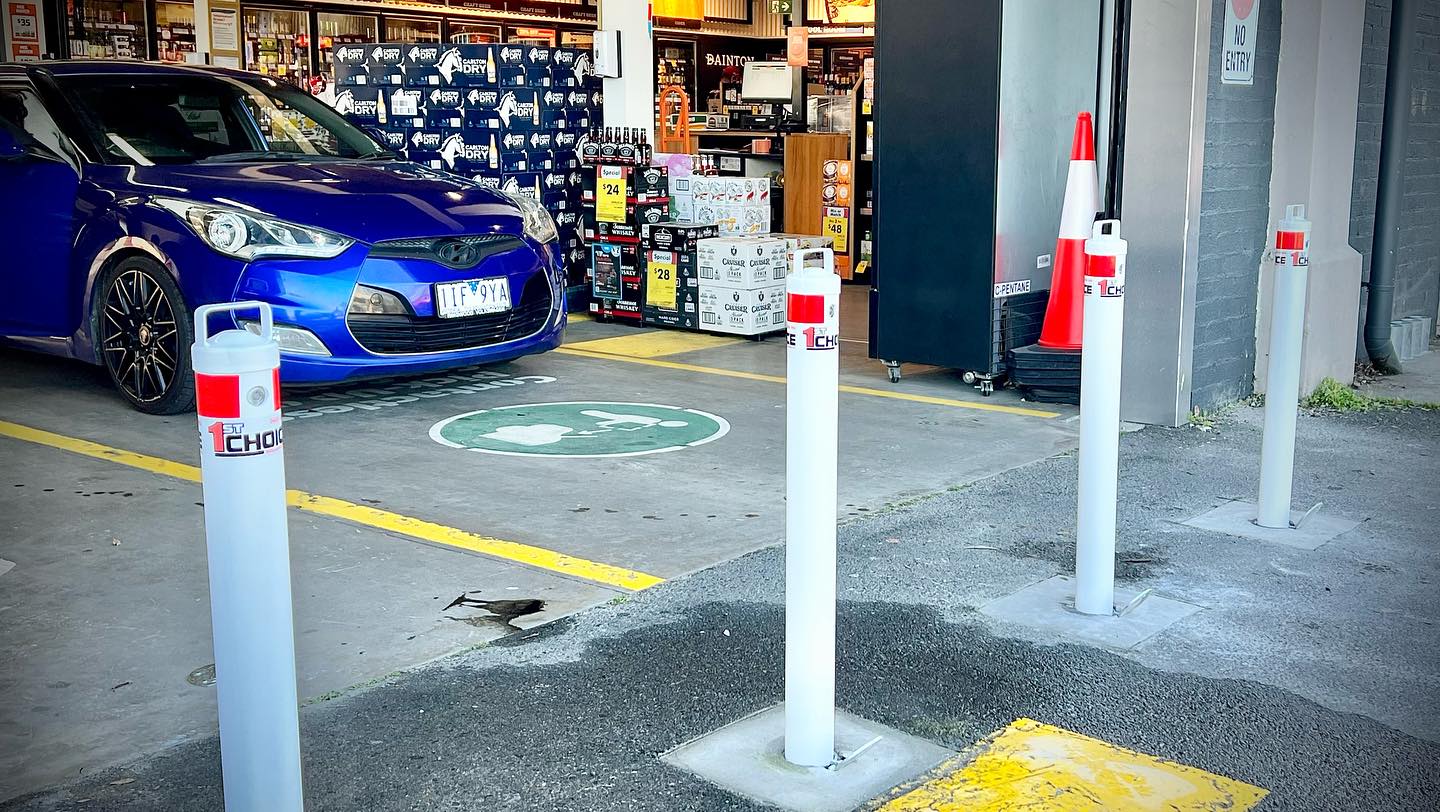
  • Car parks with repeated low-speed movements
  • Loading bays used by delivery vehicles
  • Service lanes shared by vehicles and pedestrians
In each environment, positioning, spacing, and orientation determine how effectively bollards manage risk while supporting site operations.

Spacing and Layout

Bollards are usually installed as a system rather than as individual elements. Their effectiveness depends on how they are arranged within the site.

Spacing decisions support:

  • Vehicle exclusion where required
  • Clear pedestrian access
  • Consistent visual guidance for drivers
Spacing is driven by site layout rather than product limitations. Installation context ensures bollards work together as intended without creating unnecessary obstructions or gaps.

New Builds and Existing Sites

Installation context differs depending on whether bollards are installed during construction or added to an existing site.
Installation Context Key Characteristics Impact on Installation
New builds Known slab depth and services Easier coordination and placement
Existing sites Variable substrates Greater need for site assessment
Active operations Ongoing access requirements Staged installation approaches
Finished surfaces Completed paving or coatings Fixing methods must suit surfaces
bollards are used in both scenarios. The difference lies in how installation adapts to site constraints rather than changes to the product itself.

Environmental Exposure

Environmental conditions influence how bollards perform over time. Exposure to weather, coastal air, chemicals, or high-wear industrial conditions affects finishes and maintenance requirements.

Installation context informs:

  • Finish selection based on exposure levels
  • Placement to reduce unnecessary wear
  • Maintenance expectations over the life of the bollard
Standard bollard ranges are designed to suit a variety of environments, allowing appropriate options to be selected without compromising compliance.

Access Requirements and Flexibility

Some sites require permanent vehicle exclusion, while others need controlled or occasional access for deliveries, emergency vehicles, or maintenance.

Installation context helps determine whether:
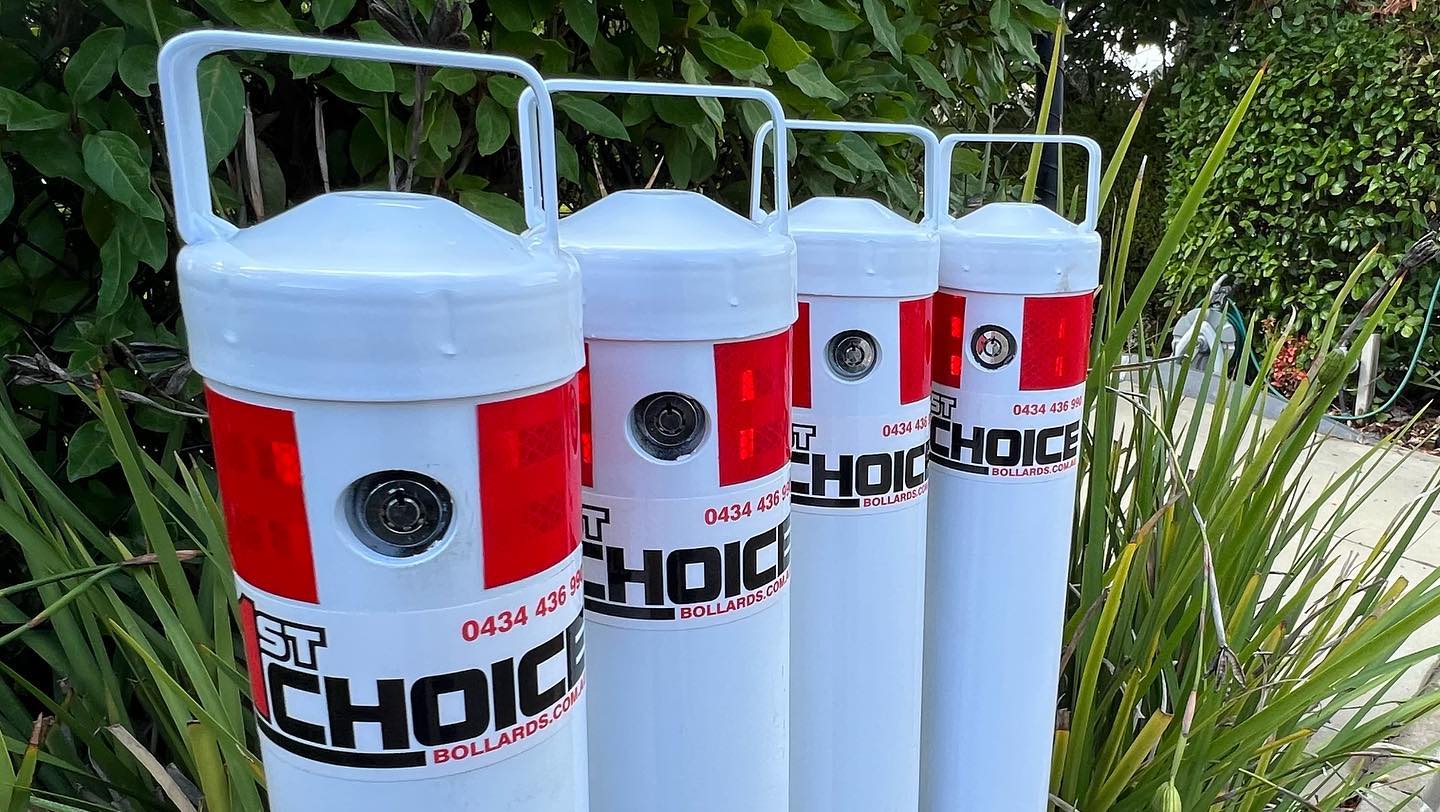
  • Fixed bollards are appropriate
  • Removable or lockable options are required
  • A combination of both suits the site layout
Bollards typically include solutions for each scenario, allowing flexibility while maintaining consistent protection.

Installation Context Factors at a Glance

Bollard performance is influenced by the following site-specific factors:
  • Ground conditions and slab depth
  • Vehicle speed and movement patterns
  • Spacing and layout requirements
  • Constraints associated with new builds or retrofits
  • Environmental exposure
  • Access and operational needs
Considering these factors early supports predictable performance and reduces the need for later adjustment.

Using Bollards Effectively

Bollards with predefined specifications are used because commercial environments share common characteristics. Installation context connects those standard solutions with the practical realities of individual sites.

Matching installation approach to environment supports reliable protection, consistent compliance, and long service life across a wide range of commercial and industrial applications.


TRADING HOURS

Monday – Friday
  • 8:00am – 5:00pm
Saturday
  • 9:00am – 12:00pm
Sunday
  • Closed

HAVE QUESTIONS?

Have Questions?
Call Us

CONNECT WITH US

@ 2026 First Choice Bollards. ABN 90 685 661 833. All rights reserved. Web Design by CJ Digital