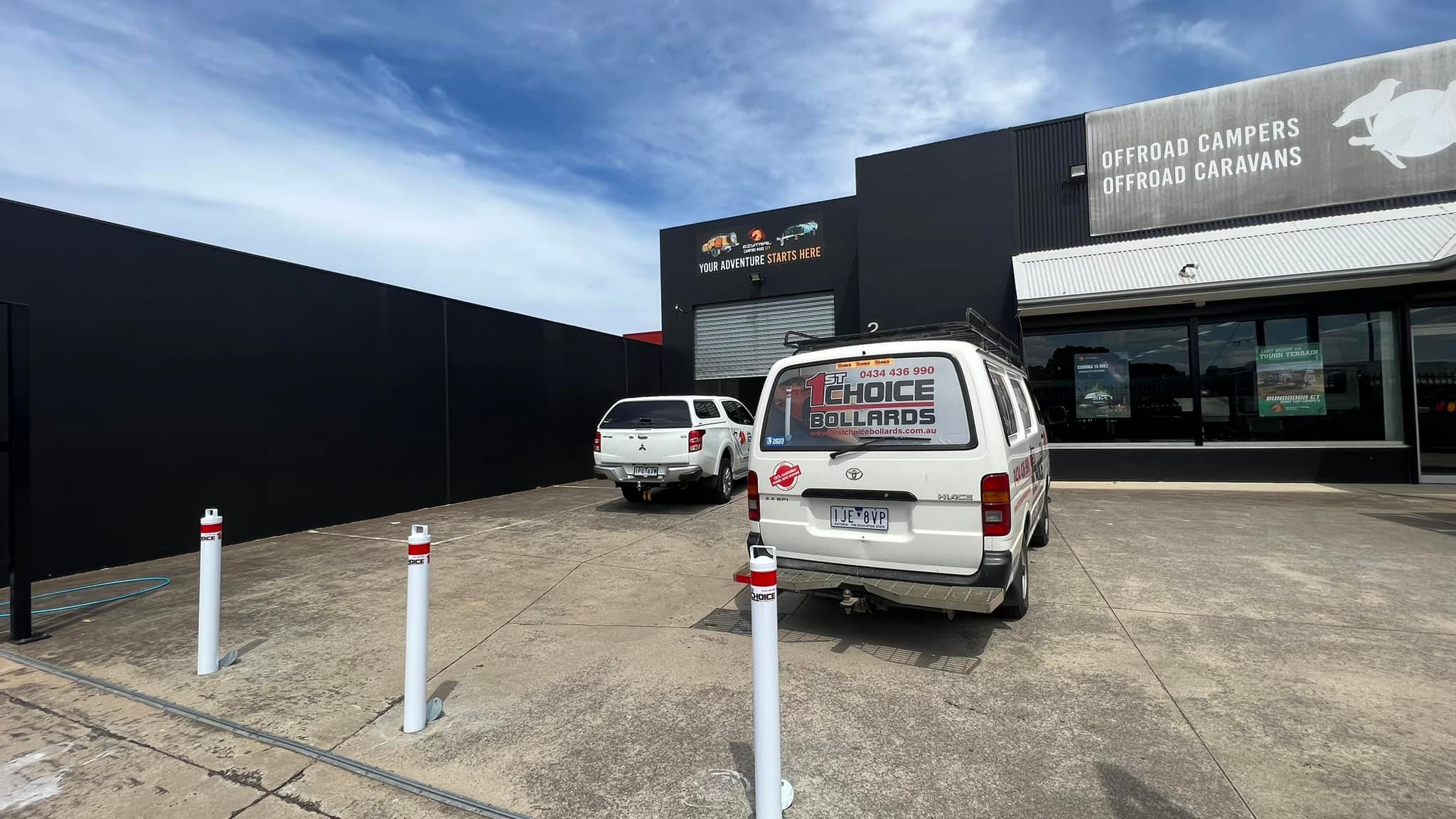
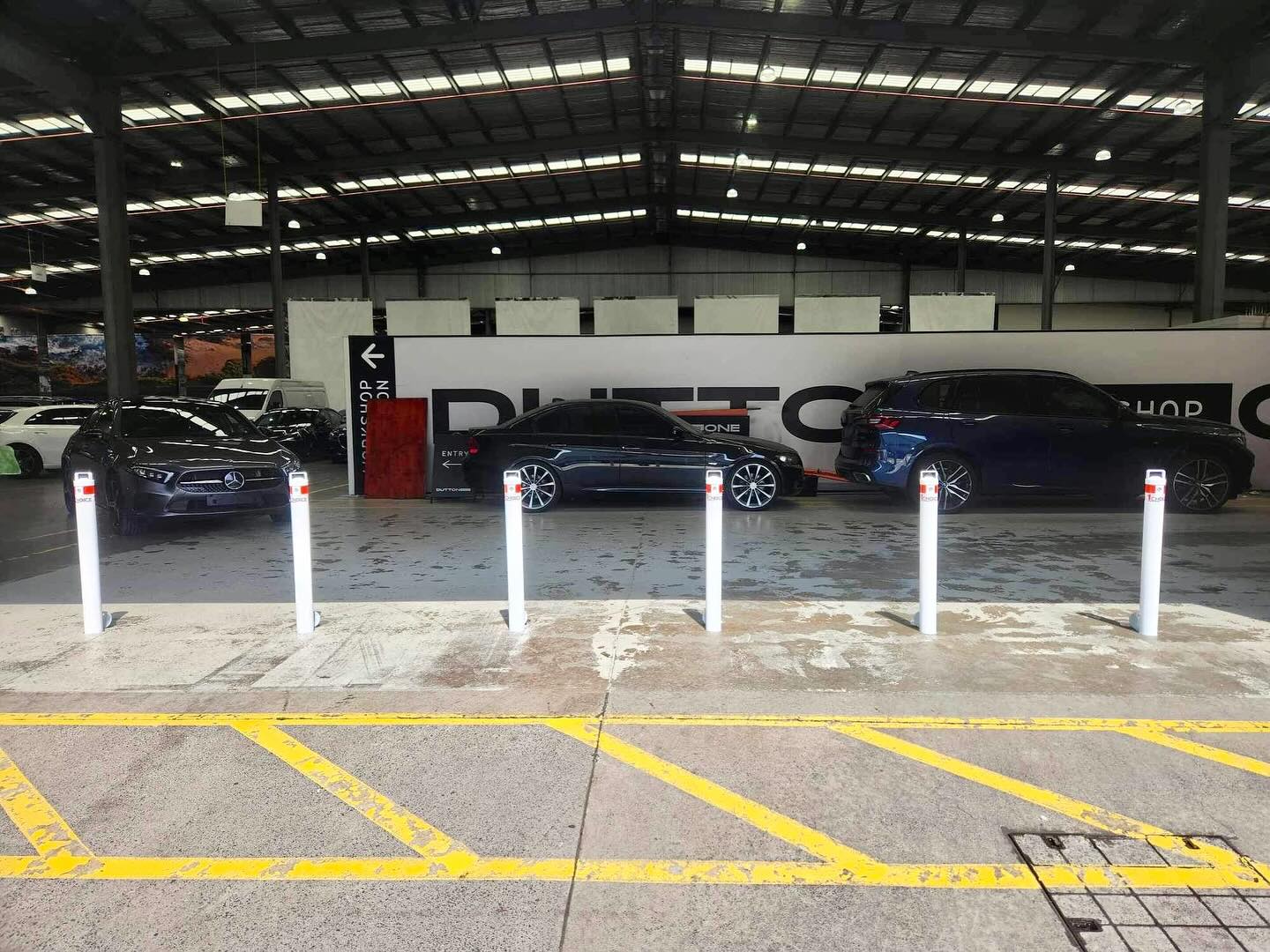
The same off-the-shelf bollard can perform very differently depending on where it is installed, how vehicles and pedestrians move through the space, and what risks the site is designed to manage.
Understanding how commercial environments influence bollard selection helps ensure that standard, compliant products are used effectively and consistently. Rather than focusing on custom solutions, most projects rely on proven off-the-shelf bollard ranges that are designed to suit specific environments and use cases.
Below, we look at how common commercial environments shape bollard selection, and why matching the product to the setting matters just as much as compliance.
Car parks are one of the most common environments for bollard installation. They typically involve a mix of vehicle traffic, pedestrian movement, and fixed infrastructure such as ticket machines, columns, and building entries.
In these environments, bollards are often used to:
Off-the-shelf bollards designed for car parks usually prioritise impact resistance, visibility, and spacing consistency. Fixed bollards are commonly used in areas where vehicle access should always be restricted, while removable or lockable bollards may be selected where occasional access is required for maintenance or emergency vehicles.
The environment also influences finishing choices. High-visibility finishes or reflective elements are often preferred in car parks to improve driver awareness, particularly in low-light or enclosed spaces.


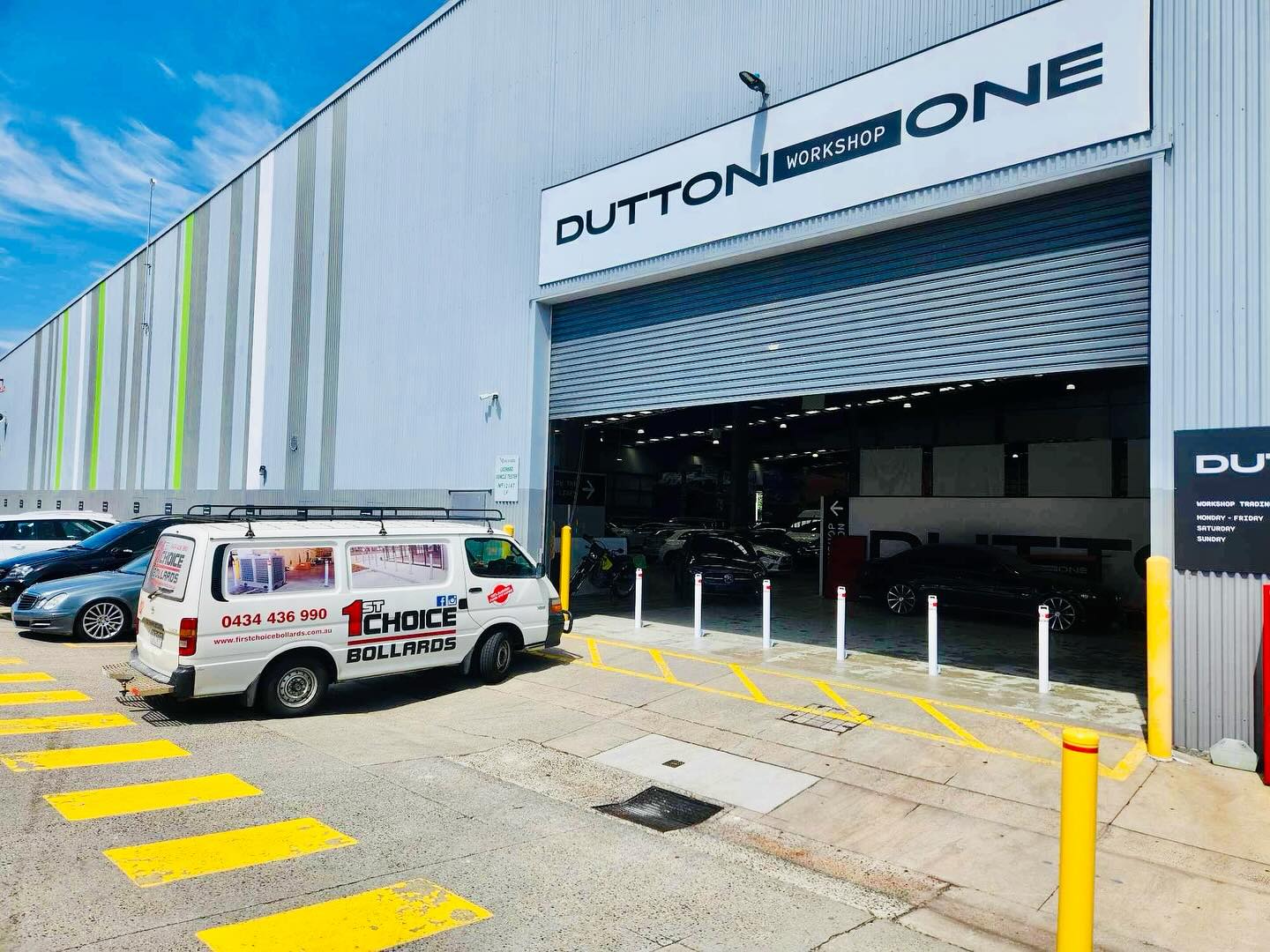
Industrial environments introduce different considerations. Warehouses, factories, and logistics facilities typically involve forklifts, delivery vehicles, and repeated low-speed impacts near doors, racking, and loading points.
In these settings, bollards are selected less for appearance and more for durability and protection of assets. Standard industrial bollards are designed to absorb impacts and shield critical infrastructure such as roller doors, columns, and plant equipment.
Off-the-shelf ranges suited to industrial use usually feature:
The key here is not customisation, but choosing from the appropriate category within a standard range that aligns with the operational demands of the site.
Car parks are one of the most common environments for bollard installation. They typically involve a mix of vehicle traffic, pedestrian movement, and fixed infrastructure such as ticket machines, columns, and building entries.
In these environments, bollards are often used to:
Off-the-shelf bollards designed for car parks usually prioritise impact resistance, visibility, and spacing consistency. Fixed bollards are commonly used in areas where vehicle access should always be restricted, while removable or lockable bollards may be selected where occasional access is required for maintenance or emergency vehicles.
The environment also influences finishing choices. High-visibility finishes or reflective elements are often preferred in car parks to improve driver awareness, particularly in low-light or enclosed spaces.
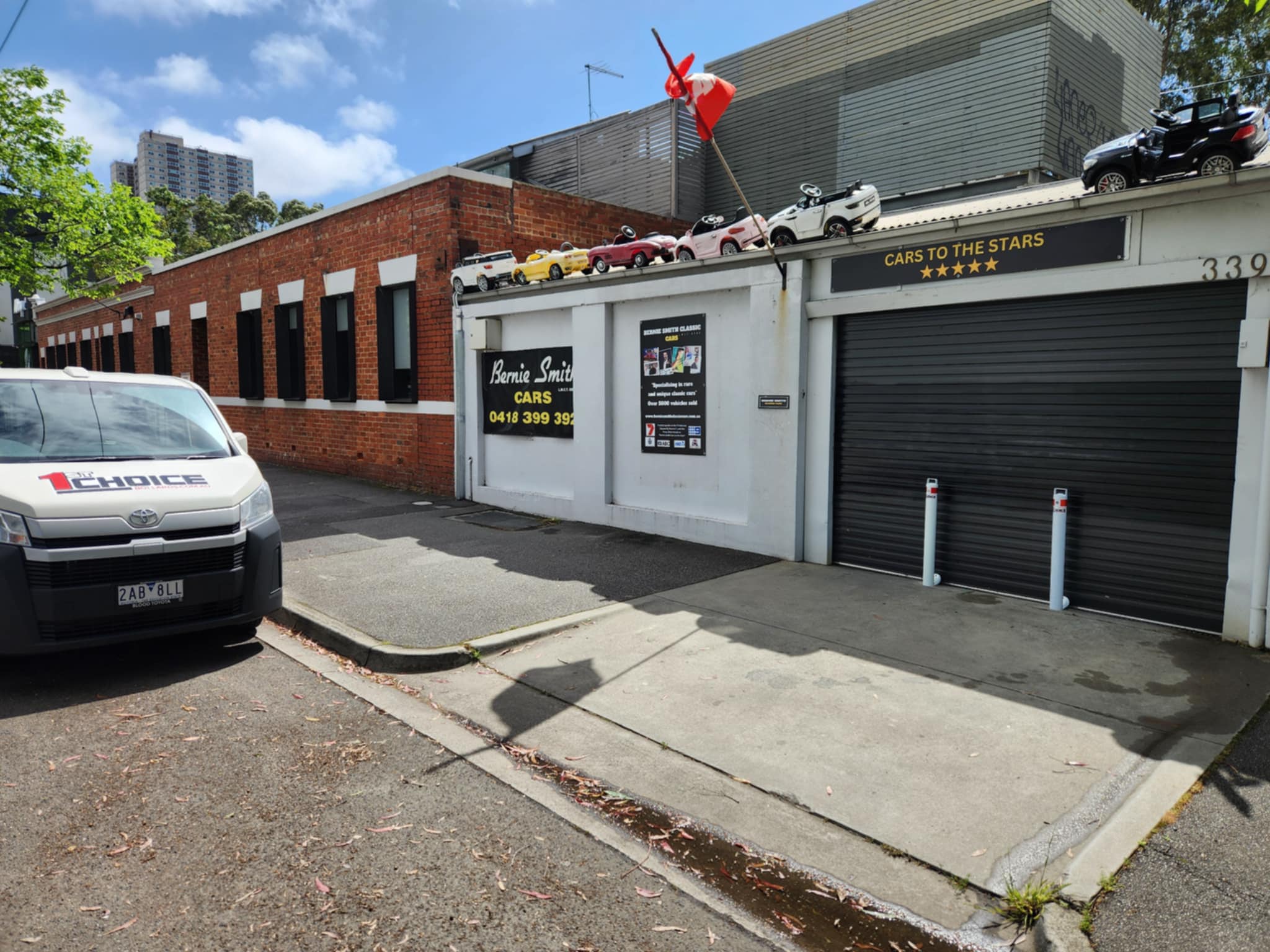
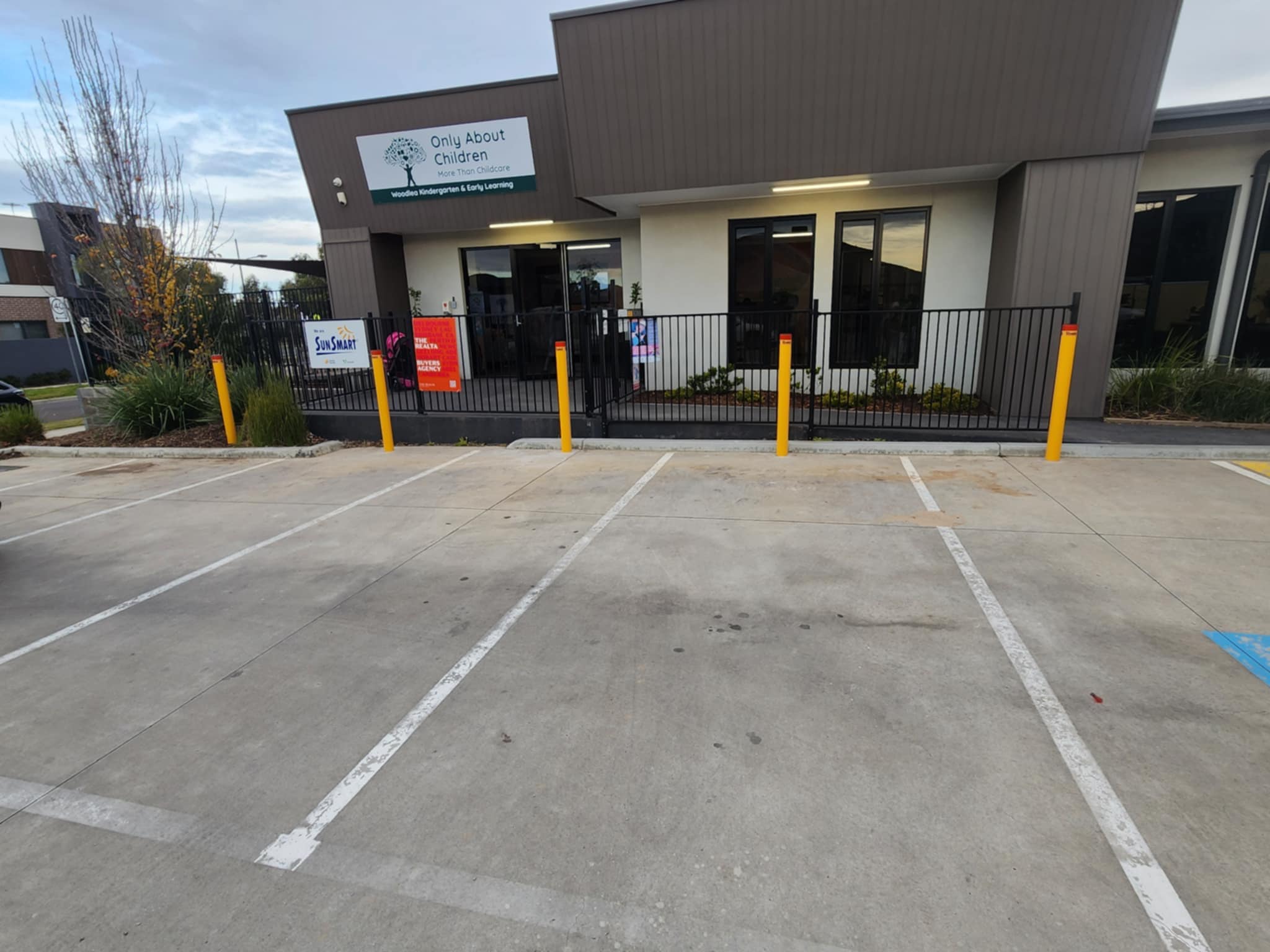
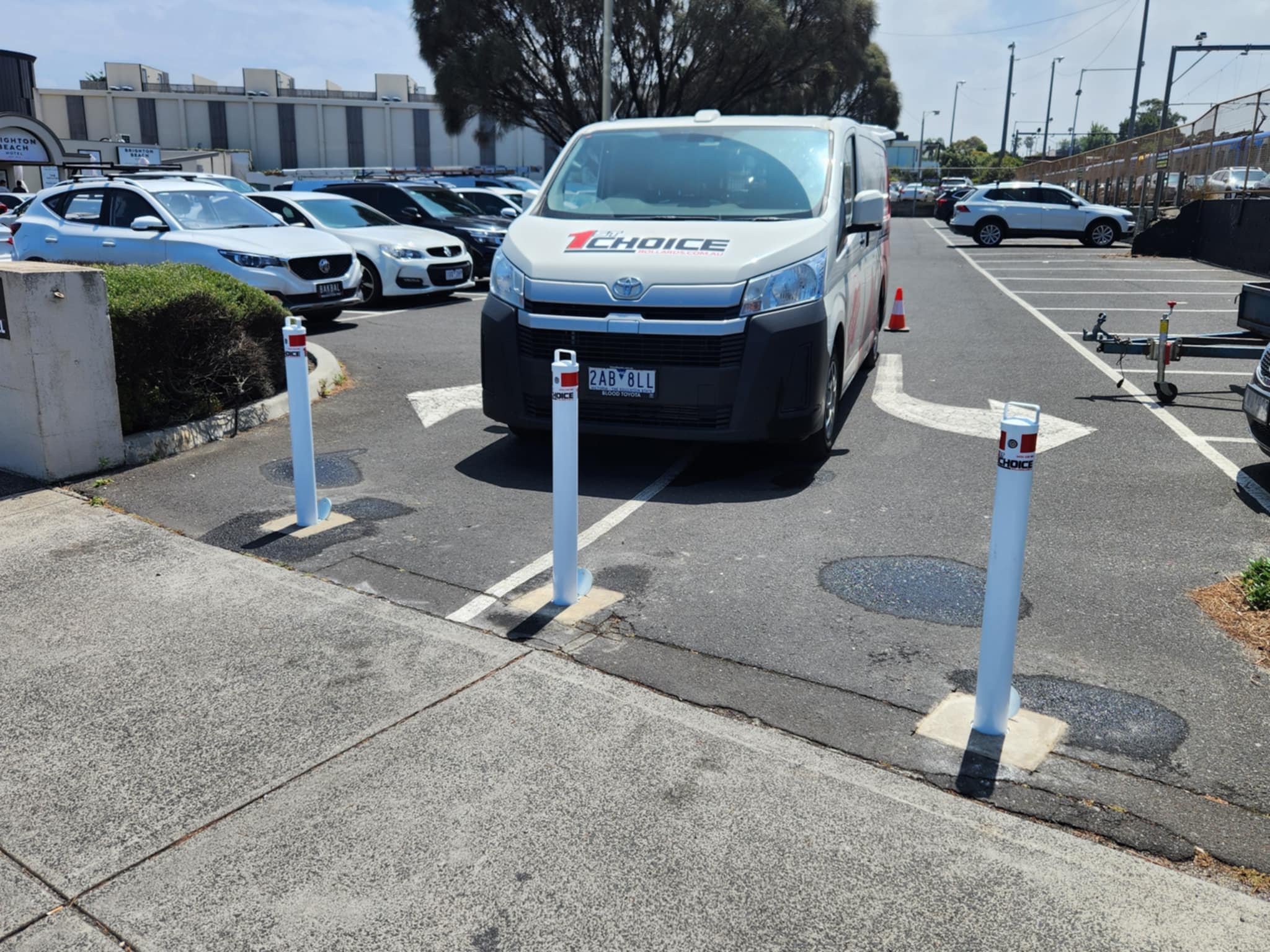
Pedestrian zones, forecourts, retail frontages, and public access areas place a different emphasis on bollard selection. While safety and access control remain important, these environments also require consideration of appearance, accessibility, and integration with surrounding design.
Off-the-shelf bollards for public-facing areas are typically available in a variety of finishes and formats to suit architectural contexts while still meeting safety requirements. In some cases, removable bollards are used to allow periodic access for deliveries, events, or cleaning.
In these environments, selection is influenced by:
Loading bays and service zones are high-risk areas for accidental contact. Repeated vehicle movements, reversing manoeuvres, and tight clearances mean bollards are often installed to protect walls, doors, dock levellers, and building services.
In these environments, off-the-shelf bollards are typically chosen based on:
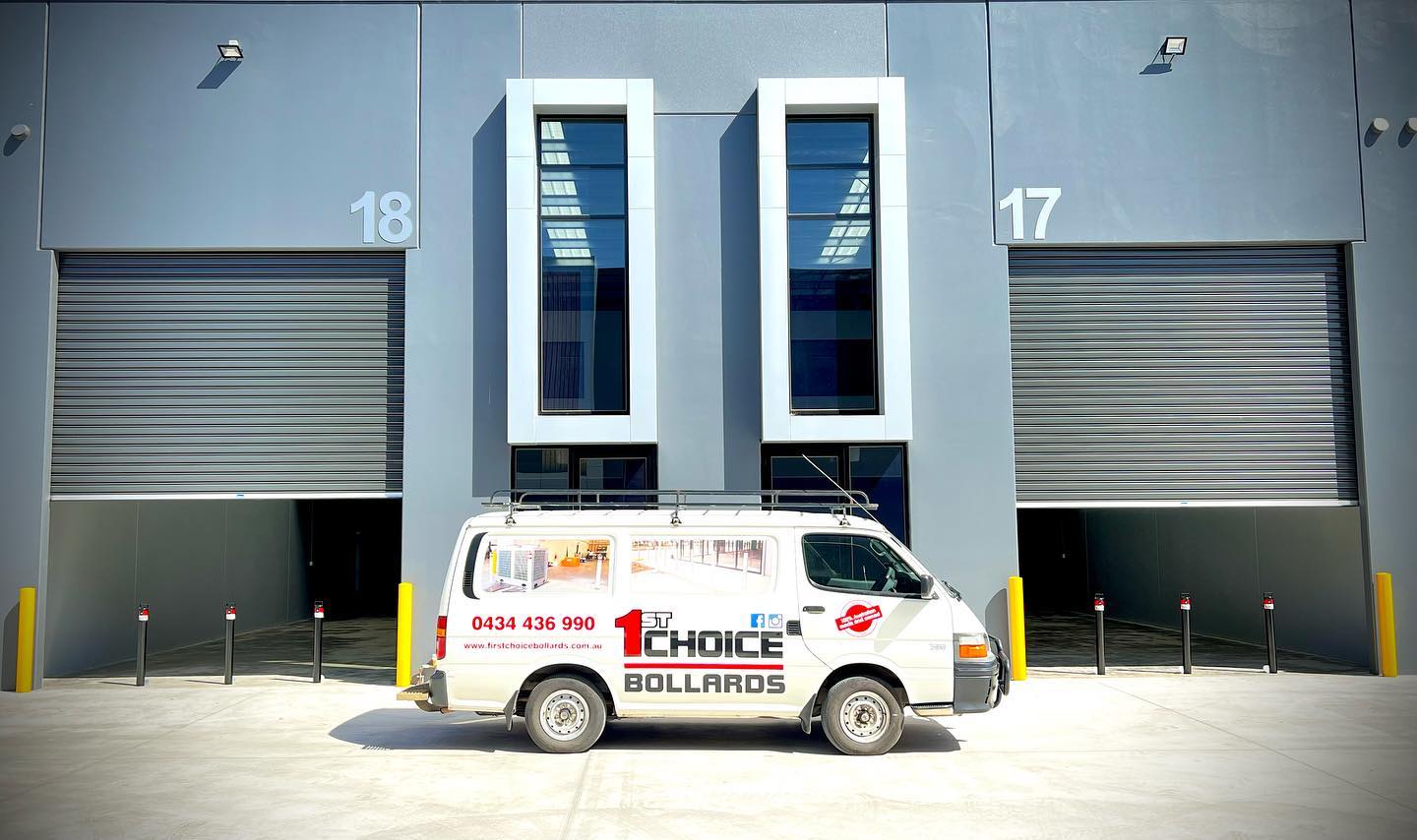
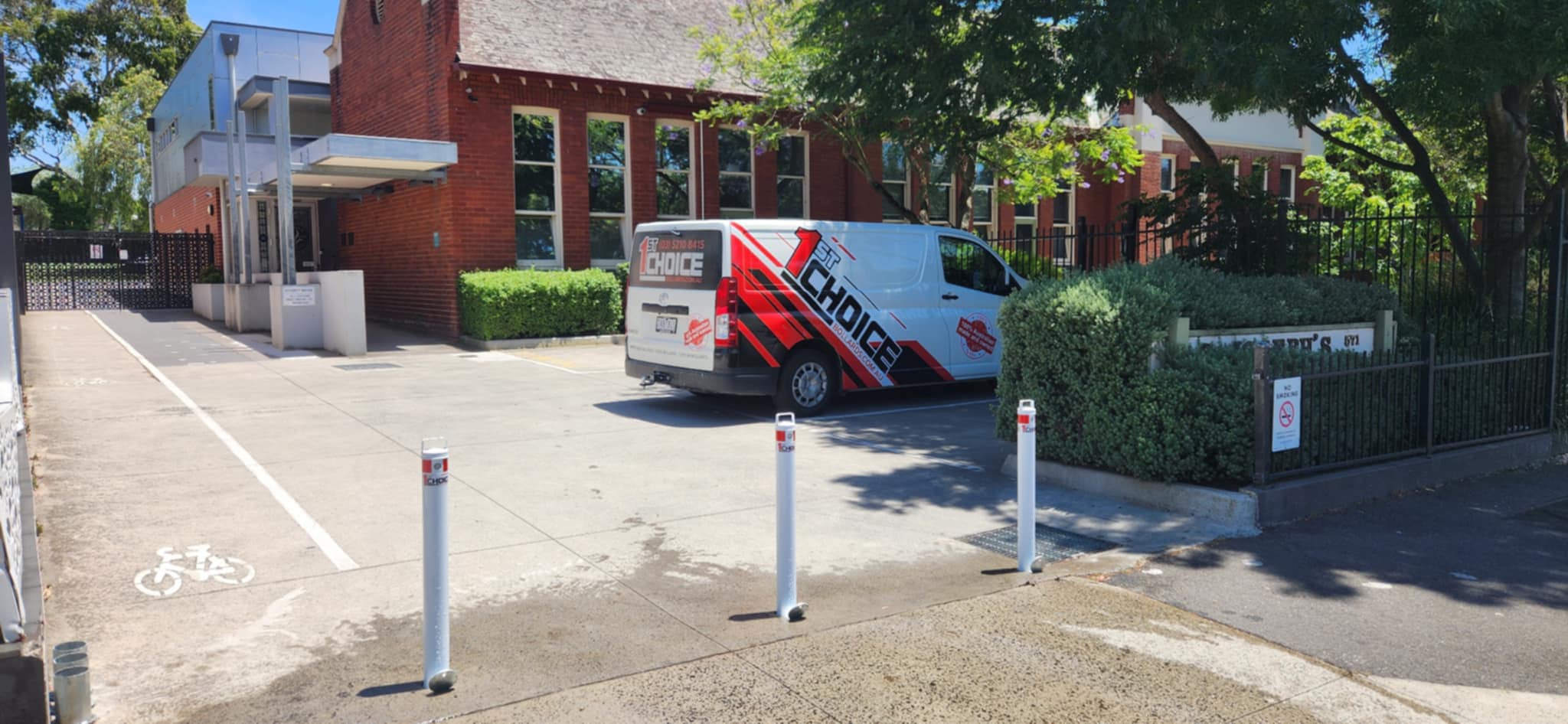
Many commercial sites combine several of the environments above. A single site may include public pedestrian areas, staff parking, service access, and industrial zones, each with different requirements.
In these cases, the strength of an off-the-shelf bollard range is its breadth. Being able to select different standard bollards for different areas of the same site allows for consistent compliance and appearance while addressing varied functional needs.
This approach avoids over-engineering simple areas or under-protecting higher-risk zones, using standard products in a way that aligns with how the site actually operates.
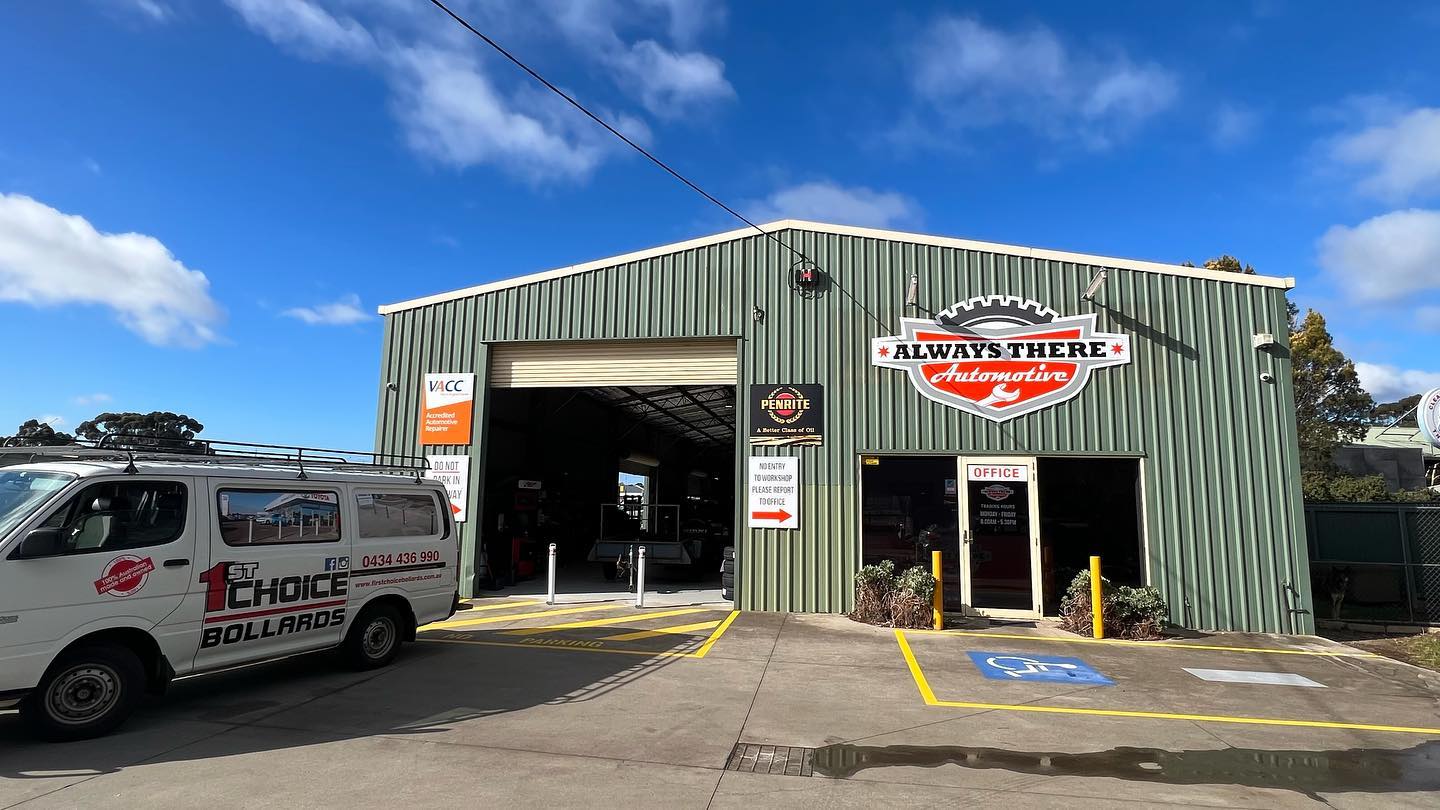
All compliant bollards are designed to meet defined performance requirements, but their effectiveness depends heavily on context. Vehicle speed, access patterns, pedestrian density, and surrounding infrastructure all influence how a bollard performs over time.
Matching bollards to the environment does not mean moving away from off-the-shelf solutions. Instead, it means understanding why standard ranges include different formats, finishes, and fixing methods, and selecting accordingly.
When bollards are chosen with the environment in mind, they:
For most commercial projects, the goal is not to design something unique, but to select the right standard solution for the space. Off-the-shelf bollard ranges exist precisely because commercial environments tend to fall into predictable categories, each with its own functional requirements.
By starting with the environment and working outward to product selection, decision-makers can use standard bollards confidently, knowing they are suited to the conditions they will face on site.