Restricted access is usually introduced to address a clear concern. Pedestrian safety, property damage, congestion or repeated misuse can all prompt action. In dense urban environments, space is shared more tightly and small issues can escalate quickly.
For many property owners and managers, restricting access feels like a necessary step to reduce risk and set boundaries.
Problems arise when access restrictions exist without clear physical control. Signs, painted lines and informal barriers rely on compliance rather than certainty. When a vehicle ignores or misunderstands those cues, responsibility can become unclear, particularly where reasonable steps to manage vehicle access and safety are not clearly demonstrated.
In a shared commercial site, questions often surface quickly. Was access clearly restricted? Was the restriction enforced? Was the driver authorised? Could the incident have been prevented?
In residential developments, particularly in inner city Melbourne or growing regional centres like Geelong, the mix of residents, visitors, trades and delivery vehicles adds another layer of complexity. Access rules that make sense on paper can break down in daily use.
Clear responsibility is easier to demonstrate when access control is unambiguous and risk has been actively managed. Physical barriers remove uncertainty by defining where vehicles can and cannot go.
This does not always mean permanent closure. In many cases, full closure introduces new operational issues, especially for deliveries, waste collection and emergency access. Sites still need a way to allow vehicles in at certain times or under specific conditions.
Across Victoria, access requirements vary widely. A retail site in Melbourne’s inner suburbs faces different pressures to a mixed use development in Geelong. What they share is the need to manage access in a way that stands up over time.
Removable bollards are often used in these settings because they provide clear physical restriction without eliminating access entirely. When in place, they make it obvious that vehicles are not permitted. When removed, they allow authorised access without temporary fixes or improvised solutions.
From a responsibility perspective, this clarity matters. It shows that access has been actively managed rather than loosely discouraged.
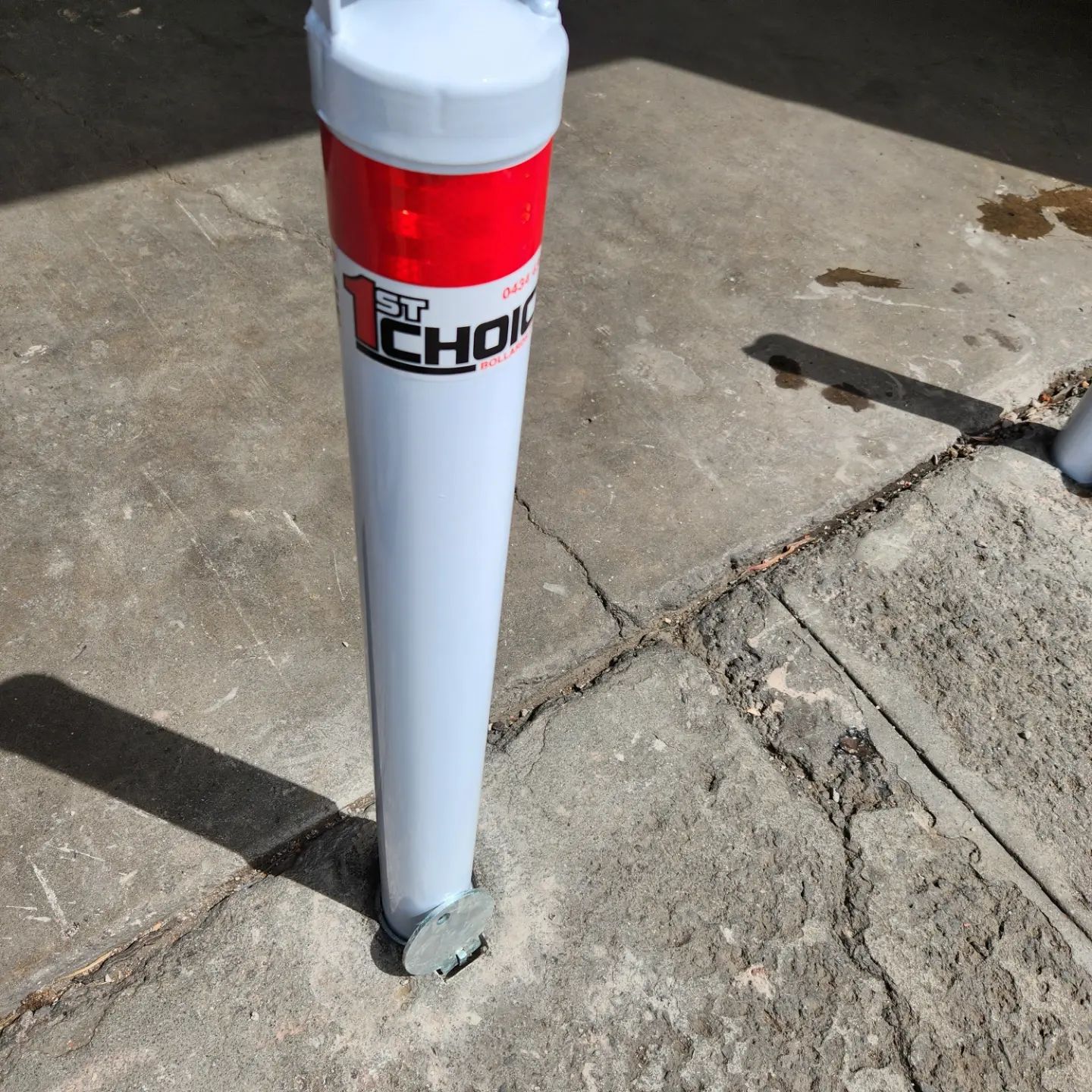
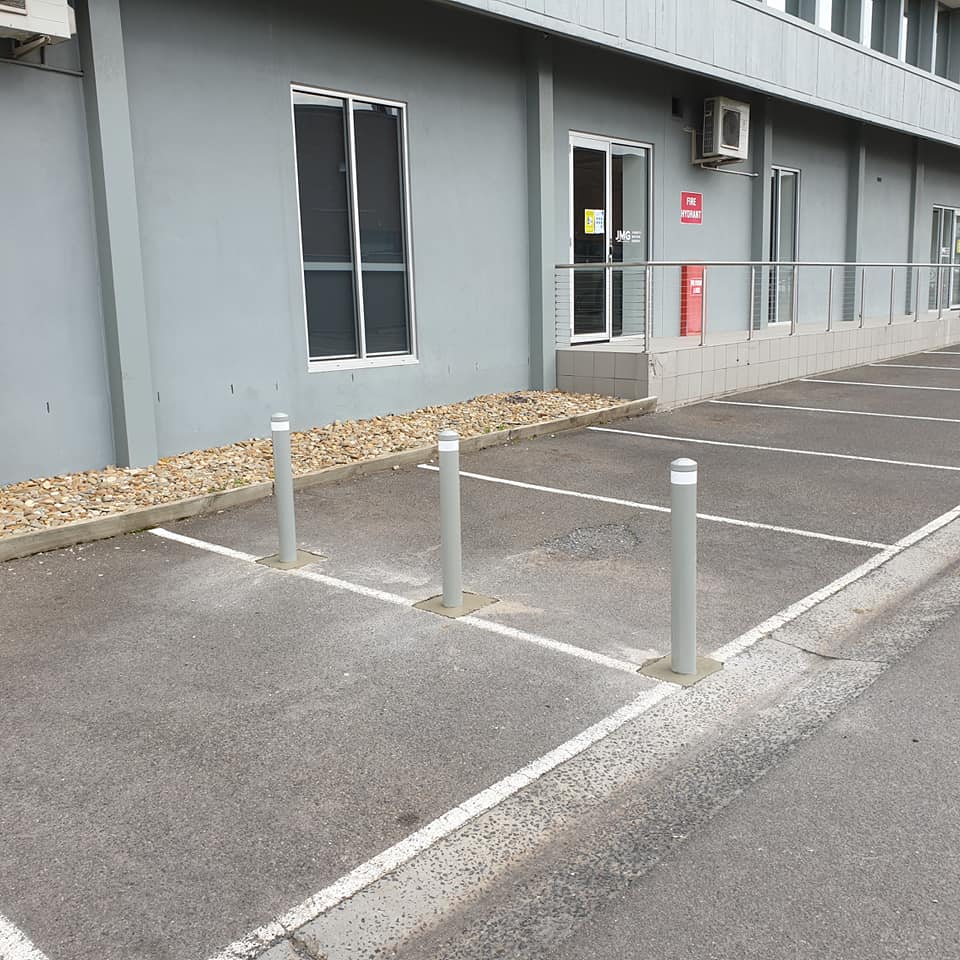
When incidents occur, responsibility is usually assessed in context. How access was controlled, how predictable the site was to navigate and whether reasonable steps were taken to manage risk all come into focus.
Sites that rely on informal restrictions often struggle to demonstrate consistency. Those that use clear, deliberate access control measures are better placed to show that access was managed with intent.
Responsibility does not end once a restriction is installed. As sites evolve, access patterns change. What worked when a building opened may not suit how it is used several years later.
Access control solutions that allow adjustment without redesign help property owners and managers respond to these changes without reintroducing uncertainty.
In Melbourne and Geelong, where urban density and shared spaces continue to increase, clarity around vehicle access is becoming increasingly important. The question is not only who is responsible when something goes wrong, but whether access decisions reflect a clear, proactive approach to managing vehicle risks over time.
Clear physical control, applied with flexibility, is often what turns that question from a dispute into a settled answer.
This article is general in nature and does not constitute legal advice. For site specific liability concerns, professional legal guidance is recommended.
Property owners or managers may be held legally responsible if they have not taken reasonable steps to control access or reduce foreseeable risks. Under Victorian law, occupiers owe a duty of care to people who enter their premises. If signage or access controls are unclear, and harm occurs, there may be grounds for a negligence claim.
Signs can be helpful, but they are not always enough. In many cases, courts look at whether the property owner took reasonable precautions in light of foreseeable risks. Physical barriers, such as bollards, may provide stronger evidence that access was being actively managed.
Not without specific authority. In Victoria, property owners cannot tow a vehicle from private land unless they follow strict legal procedures or have prior agreements in place. Towing is regulated under Victorian transport law and unauthorised removal of vehicles can lead to liability.
The duty of care is a legal obligation to take reasonable steps to prevent harm to others. For property owners or managers, this includes making sure that vehicles and pedestrians can safely access or avoid certain areas. The more foreseeable a risk, the greater the steps required to manage it.
Bollards are a physical access control measure. They help define boundaries and prevent unauthorised vehicle entry. From a legal perspective, they support a duty of care by showing that risks have been identified and actively managed. Removable bollards offer flexibility where access is sometimes required.
Not necessarily. Responsibility is often shared, depending on the circumstances. Courts may consider whether the person understood the restriction, whether the signage was visible and whether the property was managed in a way that made the risk avoidable.
This may fall under civil trespass or breach of contract, depending on the context. However, criminal trespass in Victoria generally applies only in more serious or deliberate cases. Whether or not legal action is available depends on the type of property and the presence of clear warning signs.
This FAQ is general in nature and does not constitute legal advice. For advice on specific incidents, professional legal guidance should be sought.