What Happens When A Delivery Vehicle Hits Your Building 

Delivery vehicles are now a daily part of life for commercial sites across Melbourne and Geelong. Vans, utes and small trucks move through industrial estates on tight schedules. Many buildings were never designed for this volume of traffic, and low speed collisions have become a common but largely unreported problem.

These incidents often sound minor. A bump against a roller door. A scrape along a support post. Yet the aftermath is costly. Property managers, insurers and builders all describe the same pattern: a brief moment of misjudgment followed by hours or days of disruption.

Why these collisions keep happening

Modern delivery conditions encourage speed and tight manoeuvring. Drivers are handling more stops than ever, often in confined spaces.

Common causes include:

  • limited rear visibility
  • parcel loads that partially block mirrors
  • rapid delivery schedules
  • older buildings with narrow access points
  • shared areas used by customers, staff and freight
  • tight turning circles near doorways
  • uneven driveways that affect control at low speed
Below is a clearer breakdown.
Cause CategoryExamplesRisk Level
Visibility problemsBlocked mirrors, blind spots, poor lightingHigh
Site design issuesNo setback from driveway, tight cornersHigh
Driver pressureTime expectations, multiple stopsMedium
Mixed use areasCustomers walking near loading pointsMedium
Vehicle factorsLong wheelbases, unfamiliar hire vehiclesMedium

The typical damage delivery impacts cause

Even slow collisions create a surprising range of problems. A bent roller door track can stop access entirely. A hit to racking can force safety inspections. Brickwork damage often requires an engineer’s assessment.

Most common damage types:

  • jammed roller doors
  • dented fire exit frames
  • cracked brickwork
  • damaged fascia panels
  • bent loading dock edges
  • clipped pallet racking at internal entrances
  • split awnings and signage panels

How much this disrupts a business

The impact itself is brief. The interruption that follows is not. Repairs often involve closures, equipment removal and coordination between multiple contractors.

Here is a snapshot of typical consequences.

Impact TypeConsequenceLikely Downtime
Roller door strikeDoor stops operating or becomes unsafeHours to several days
Brickwork damageStructural assessment requiredSeveral days to weeks
Impact on support postEngineer must confirm load integrityDays
Awnings or fascias hitSafety exclusion zone neededSeveral days
Internal racking collisionStock count, racking replacement, safety checksSame day to one week

Why older industrial buildings are most exposed

Large parts of Melbourne and Geelong’s industrial stock were built decades ago. Many sites were designed for smaller vehicles and slower freight operations. This makes today’s delivery patterns a poor fit.

Key vulnerabilities include:

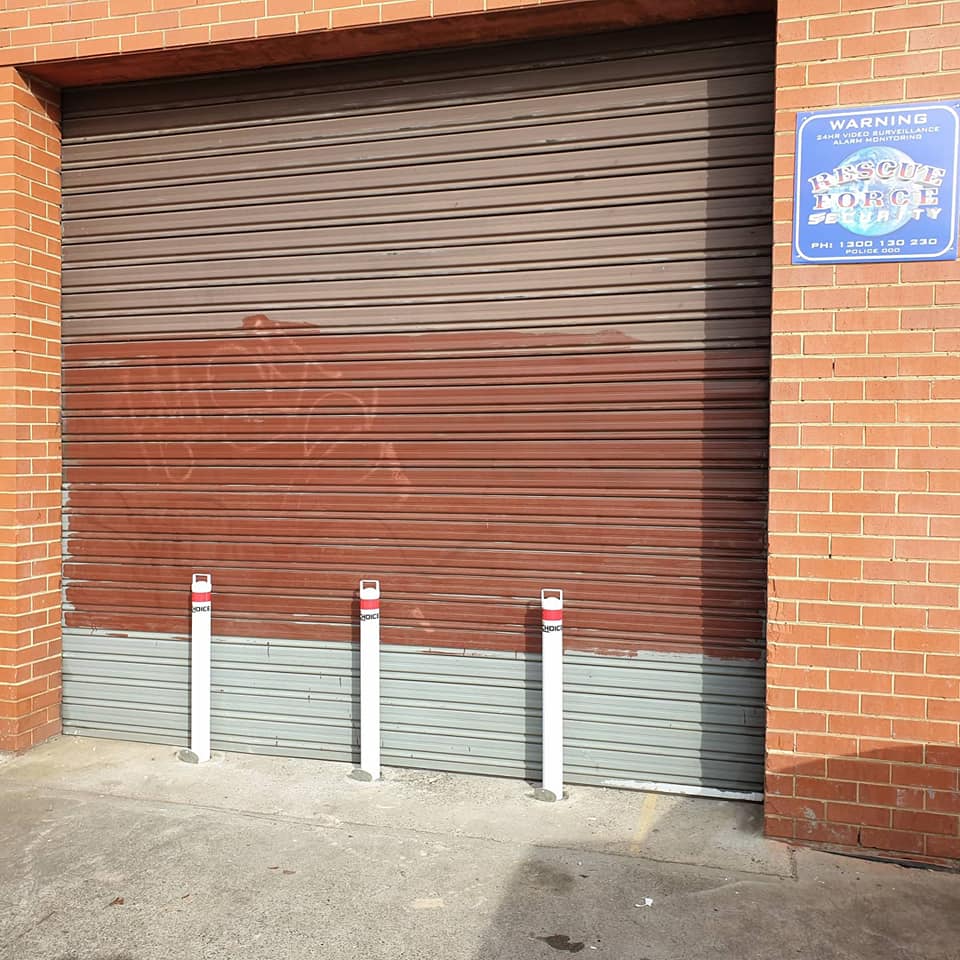
  • roller doors that open directly onto driveways
  • loading bays with no physical protection
  • narrow gaps between neighbouring units
  • small turning circles at building entrances
  • structural walls positioned within vehicle paths
  • no buffer zones or impact rated barriers
  • outdated site layouts that force deliveries through shared areas
Below is a comparison that shows how older sites differ from modern warehouses.
FeatureOlder Industrial SitesModern Industrial Sites
Setback from drivewayOften minimalLarger protected zones
Turning spaceTight or obstructedDesigned for longer vehicles
Loading bay designBasic or absentDefined, protected areas
Barrier systemsRareCommon, often impact rated
Pedestrian separationLimitedStronger spatial separation

How tenants are affected after an impact

Delivery collisions do not only cause building damage. They also trigger administrative and operational issues.
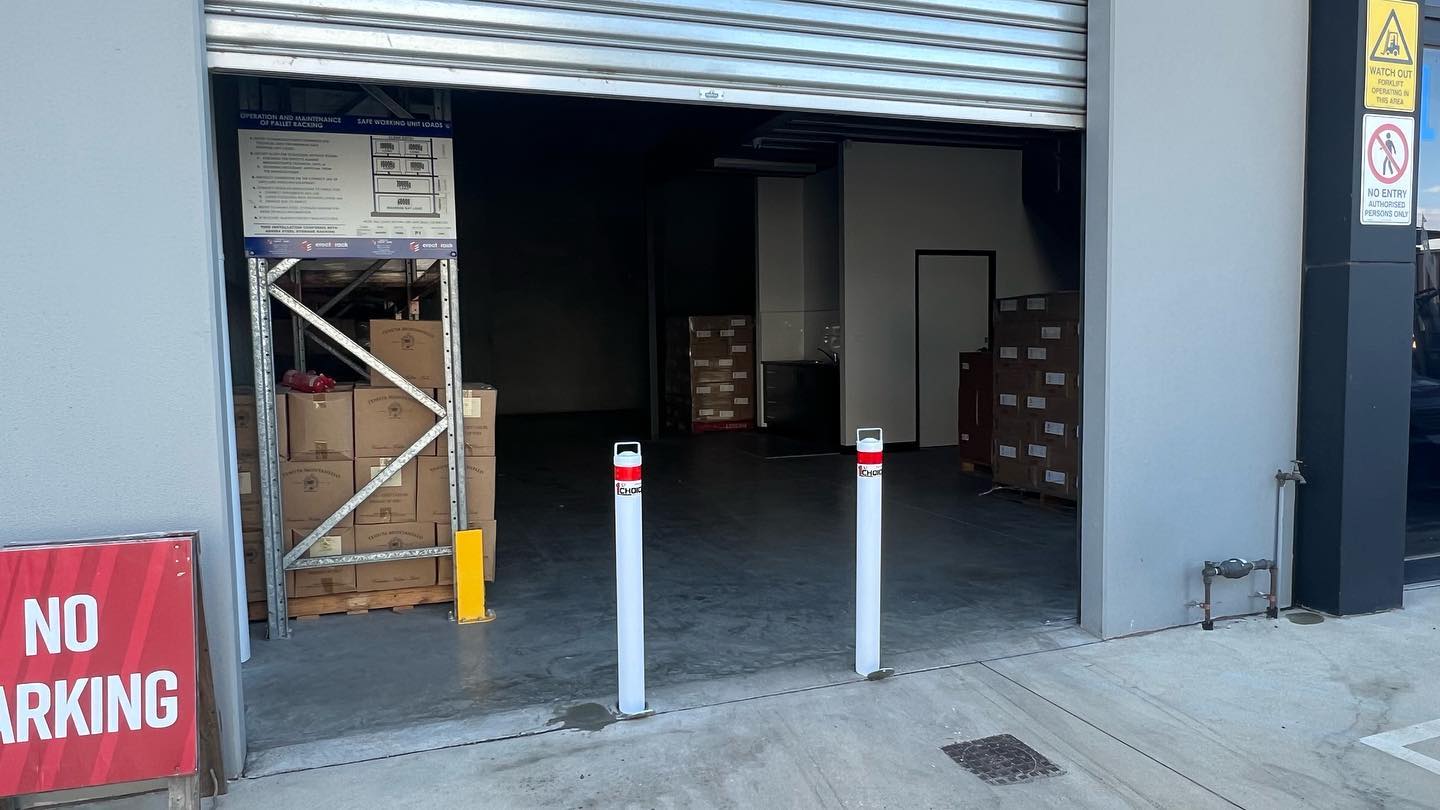
Typical outcomes for tenants include:

  • access restrictions for staff
  • temporary loss of a primary entry point
  • stock handling delays
  • machinery downtime
  • rescheduled deliveries
  • higher insurance excess than expected
  • disputes between tenant and landlord
  • delays while waiting for assessors or trades

In sites with multiple tenants, a single collision often creates flow on effects for every business sharing the driveway or loading area.
The growing pressure on delivery drivers

Drivers report a consistent set of challenges:
  • more multi stop routes
  • tighter delivery windows
  • navigating unfamiliar sites
  • using larger or rented vehicles
  • difficulty finding safe wait zones
  • pressure to reverse quickly in narrow spaces
This combination increases the risk of low speed strikes, especially at older properties.

The bigger picture

Low speed delivery impacts are rarely dramatic, yet they cause significant inconvenience and cost for Victorian businesses. They also reveal an underlying issue: many buildings were designed for a different era of freight movement.

Modern delivery patterns rely on protected loading areas, clear visibility zones and physical separation between vehicles and structures. Without these elements, the risk of repeated collisions stays high.


TRADING HOURS

Monday – Friday
  • 8:00am – 5:00pm
Saturday
  • 9:00am – 12:00pm
Sunday
  • Closed

HAVE QUESTIONS?

Have Questions?
Call Us

CONNECT WITH US

@ 2026 First Choice Bollards. ABN 90 685 661 833. All rights reserved. Web Design by CJ Digital