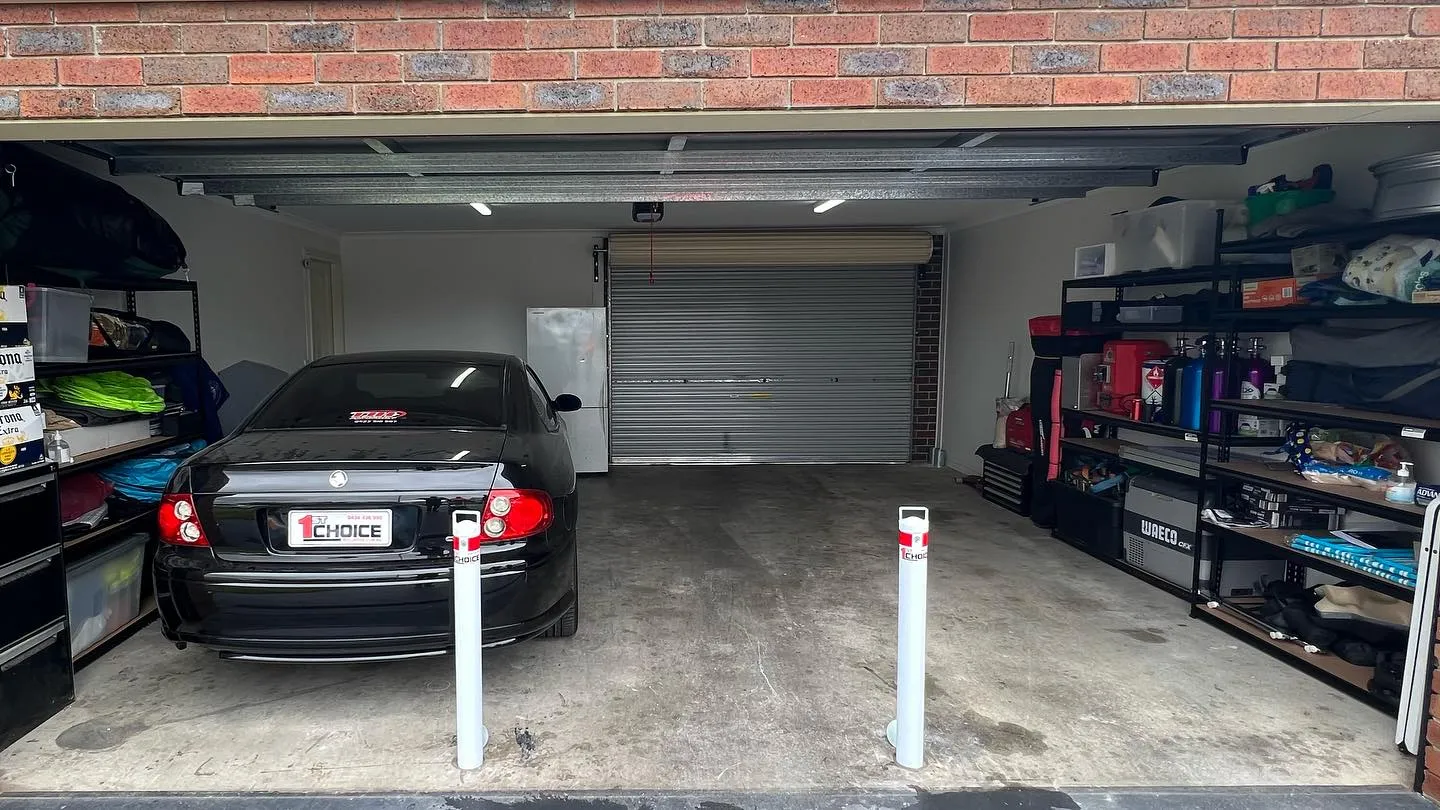
Driveways are the single most common location for residential bollards. The job is straightforward: control which vehicles enter the property and protect the boundary from accidental contact.
Typical driveway applications include:
Removable and lockable bollards suit most driveway setups because access needs change throughout the day. A bollard that locks in place at night but lifts out in 30 seconds for the morning school run covers both requirements.
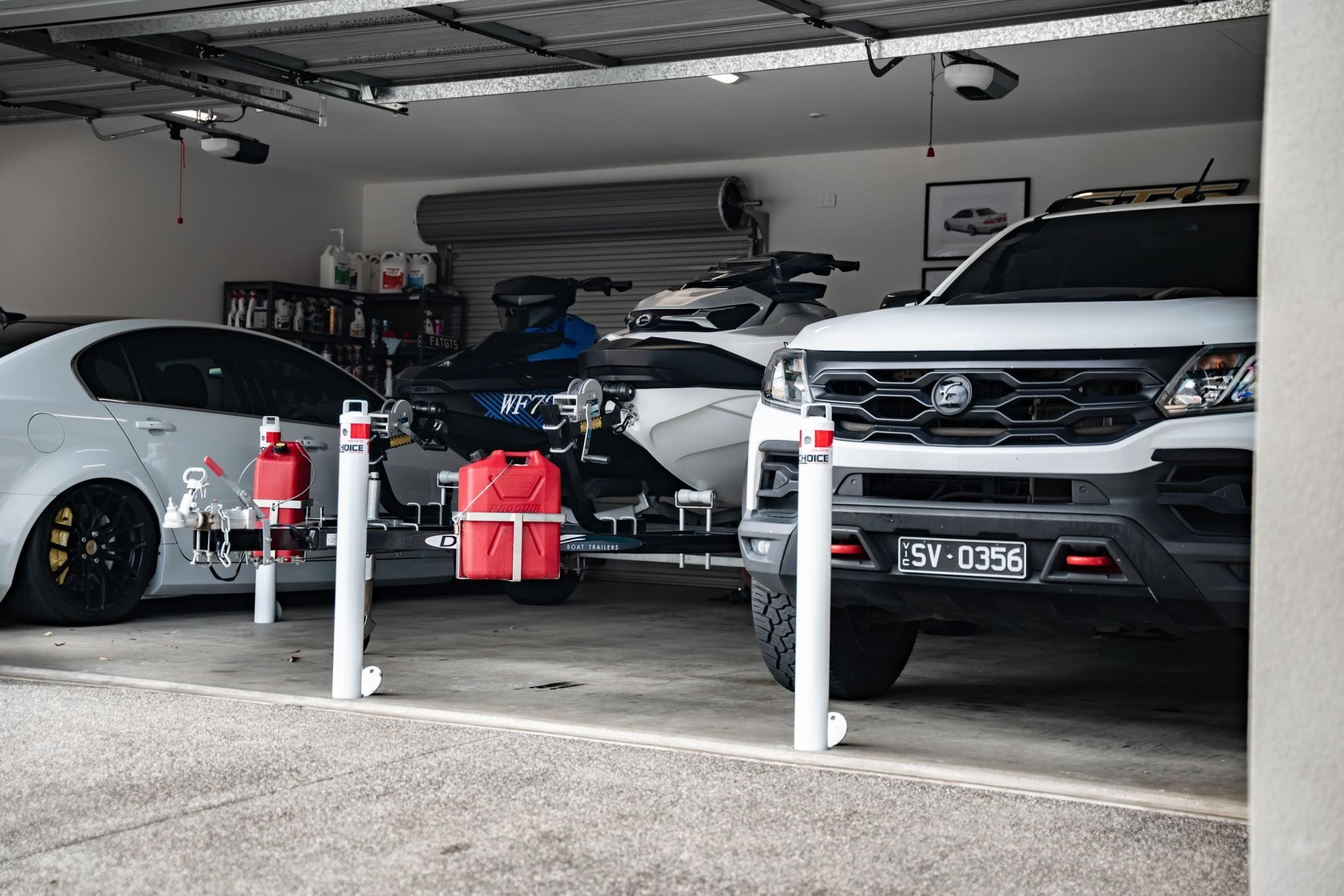
Garages cop more low-speed knocks than most homeowners realise. A slightly wide turn, a new driver in the household or a larger vehicle than the garage was designed for can all result in scraped render, cracked door frames or bent roller door tracks.
Bollards at garage entrances serve two purposes:
Placement depends on vehicle width and the turning angle into the garage. Bollards set too close to the opening create a new obstacle. The aim is to position them far enough out that a driver corrects their line before reaching the door, not after.
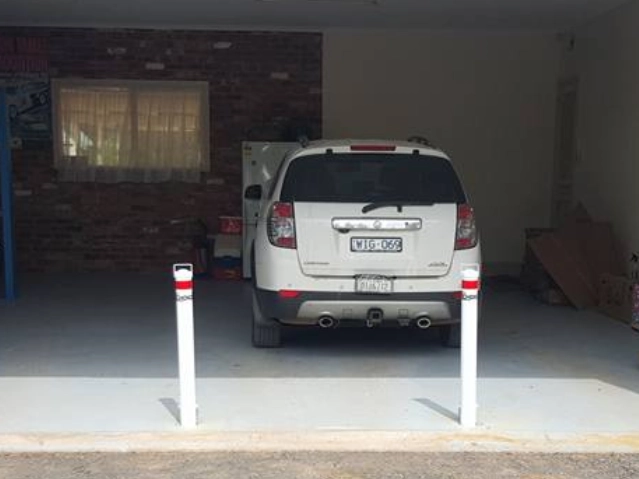
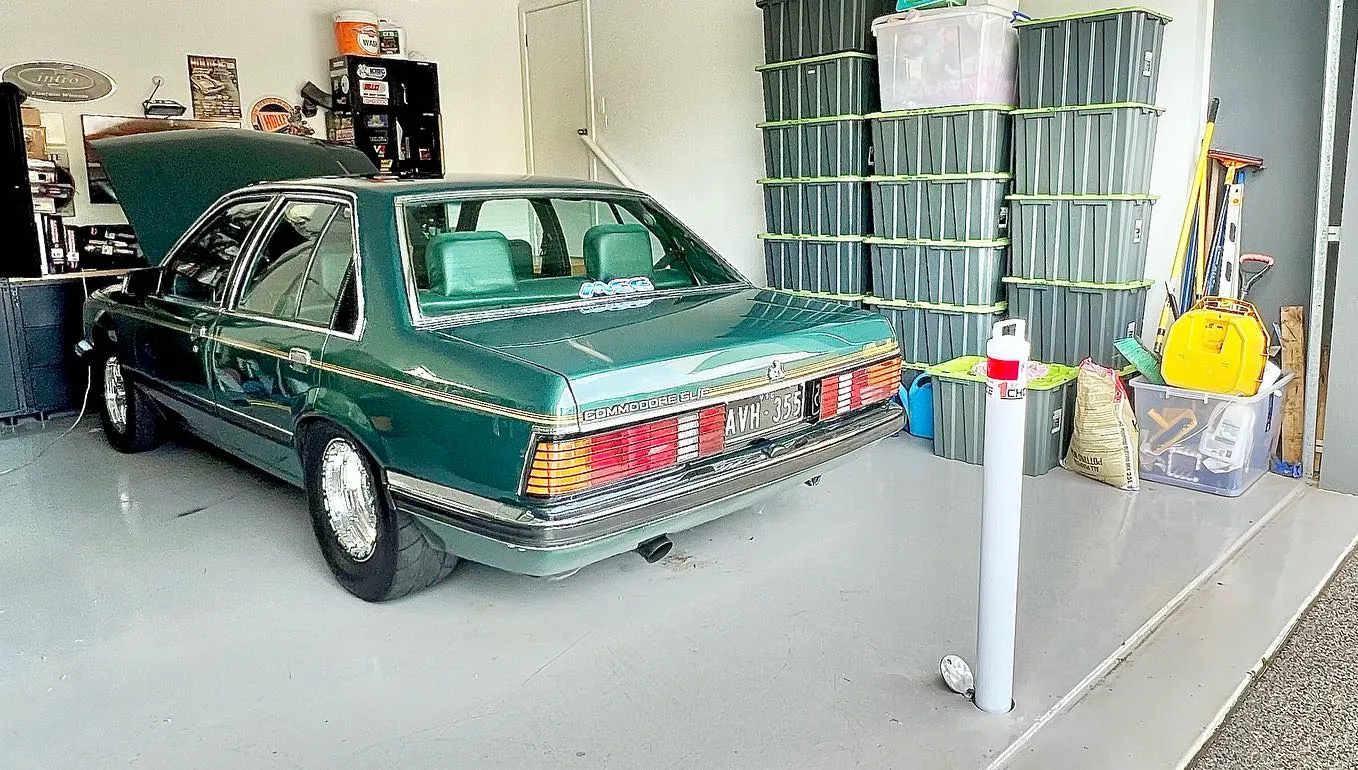
Allocated parking in townhouse developments, apartment blocks and strata complexes is a consistent source of disputes. Visitors park in the wrong bay. Residents return from work to find their space taken. Painted lines fade and get ignored.
Bollards cut through the ambiguity:
Standard off-the-shelf bollards handle most strata parking applications. The key measurement is the width between the bollard and any adjacent wall or pillar. If the gap is too narrow, residents will struggle to open car doors.
Dual-occupancy builds and subdivided blocks often share a single driveway. Without a physical marker, vehicles drift across the centre line and encroach on the neighbouring property. Over months, wheel tracks wear into garden edges and boundary plantings get flattened.
Bollards on shared driveways work best when they:
Spacing matters more than bollard type in these setups. Two or three well-placed posts do the job. A row of ten creates a visual barrier that makes the shared space feel cramped.
Some residential properties have structures or landscaped areas close to vehicle paths. A garden bed beside a turning circle, a retaining wall next to a carport or a letterbox on the edge of the driveway can all take repeated hits over time.
Bollards in these locations:
Fixed bollards are the standard choice here because the bollard stays in place permanently. Height and visibility matter: a short bollard that sits below bumper line can cause more damage than it prevents.
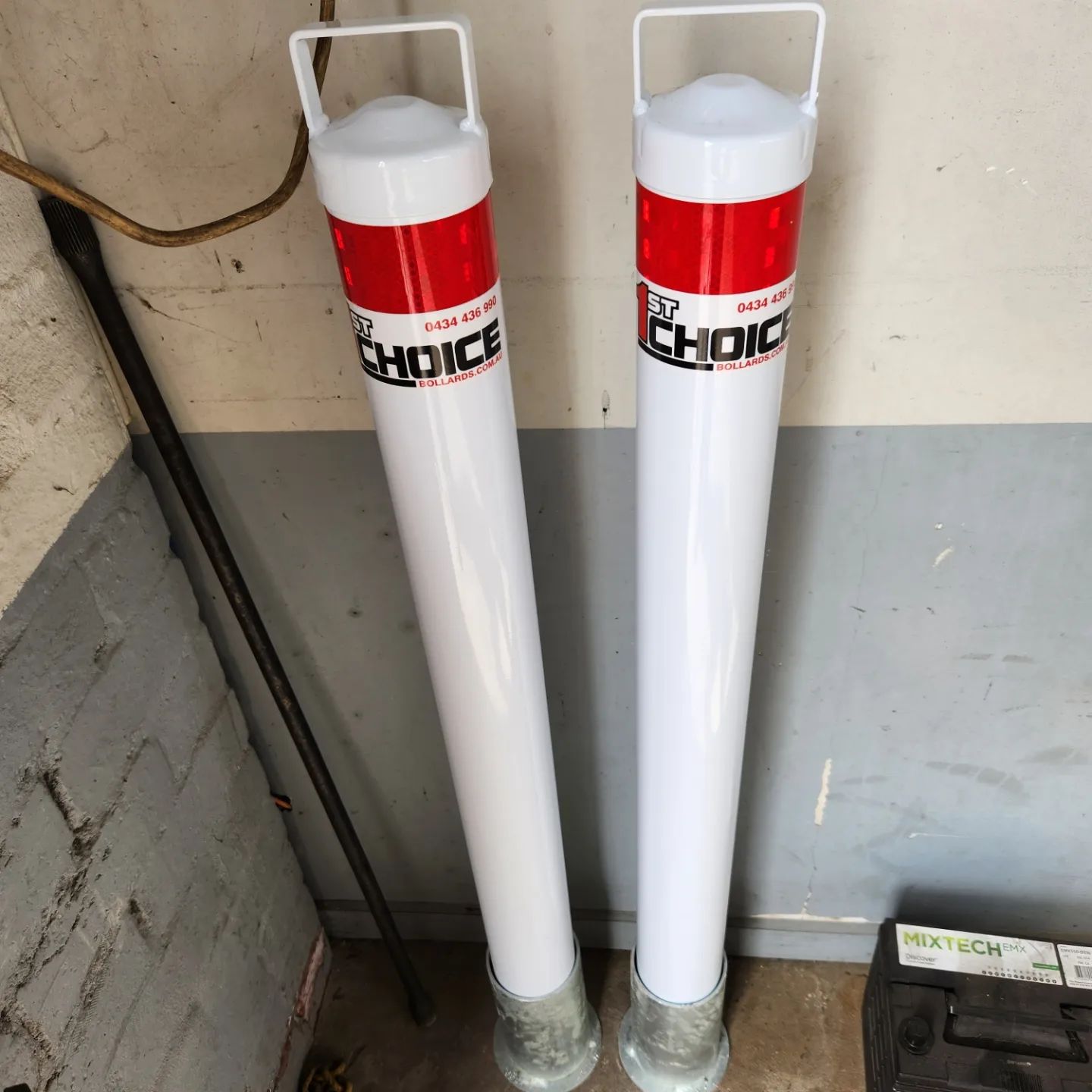
Rural and semi-rural properties, acreage blocks and estates with secondary access points face a different problem. The property is large enough that uninvited vehicles can enter through a back gate, service lane or unfenced boundary.
Removable bollards handle these situations well:
The advantage over gates is simplicity. A removable bollard requires a concrete footing, a receiver tube and the post itself. There are no hinges, no motors and no power supply to run.
Residential bollard selection comes down to five practical questions:

Great workmanship of their product - took pride in their work with installing them. Very happy, great product. Everyone should have them. Good investment.
Absolute legends to deal with. Were able to fit me in for an installation asap as we needed them done quickly.
We’ve worked with First Choice Bollards on multiple sites, and every time they’ve delivered exceptional results. From the initial consultation to the finished product the team is consistently professional, reliable and efficient.
Every application above uses standard, off-the-shelf bollard products. Residential jobs rarely need custom engineering. The difference between a bollard that works and one that creates a new problem is placement, spacing and choosing the right mounting method for the surface.
First Choice Bollards stocks removable, fold-down, fixed and lockable bollards suited to every residential application covered in this guide. Each product page includes dimensions, fixing details and surface compatibility so homeowners and property managers can match the bollard to the job before ordering.
Driveways, garage entrances, private parking bays and shared access ways are the most common residential bollard locations. Removable or lockable models suit homes where vehicle access needs change throughout the day.
Yes, but placement needs to account for all users. Bollards on shared driveways typically mark property boundaries or prevent encroachment while keeping the access path clear for every resident.
Fixed surface-mount bollards work well for protecting garage walls and door frames. Where vehicles need to pass close to the bollard, a shorter or folding model reduces the risk of contact while still guiding alignment.
Rules vary by council and state. Bollards on private property generally do not require approval, but installations near public footpaths, nature strips or shared boundaries may need a permit. Check with your local council before starting work.