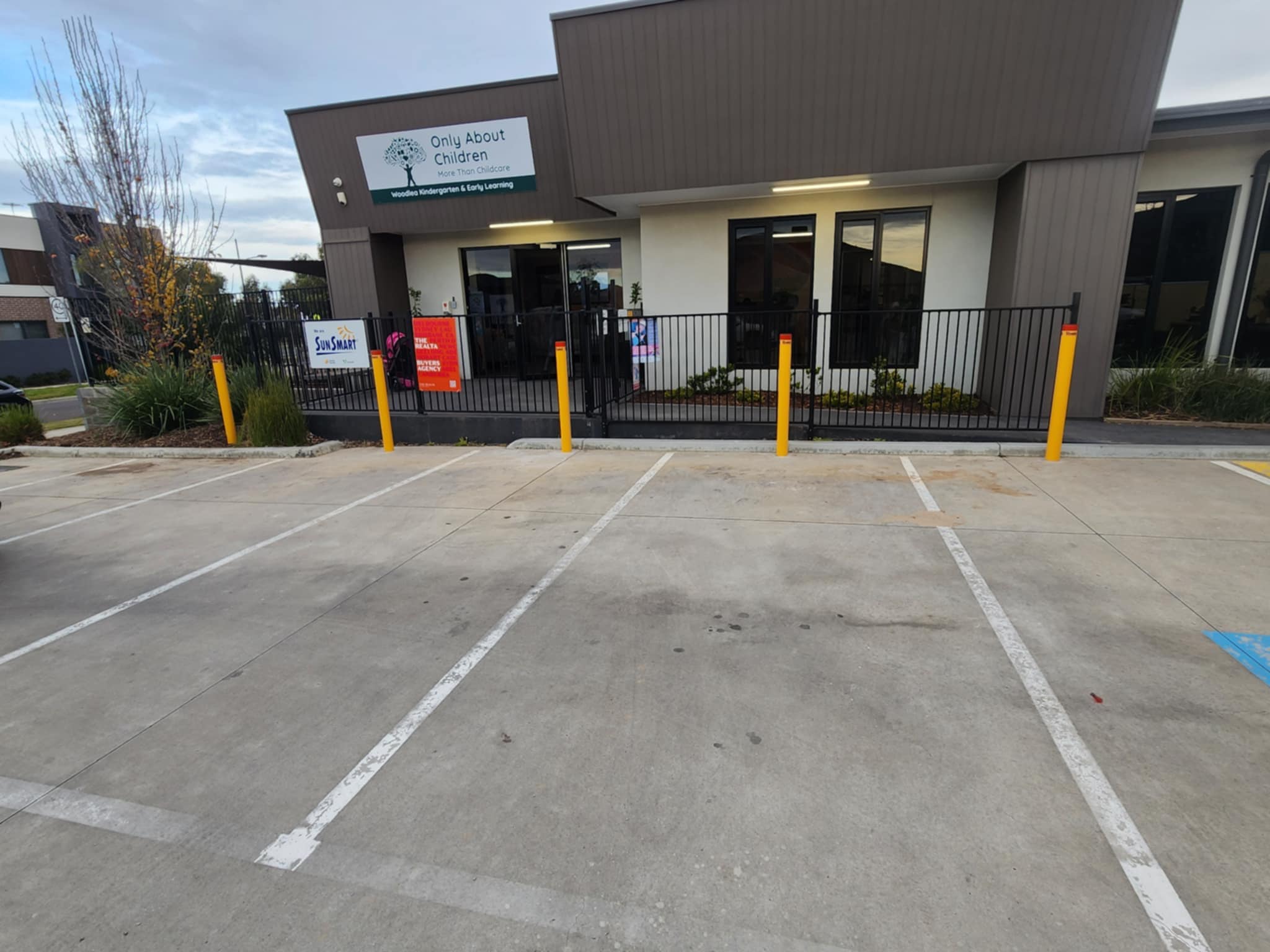
Commercial car parks account for more bollard installations than any other environment in Melbourne. The reason is straightforward: car parks combine pedestrian traffic, moving vehicles, and fixed infrastructure in a confined footprint.
Assets that typically need bollard protection in car parks include:
Effective car park bollard installation starts with traffic flow. Bollards placed too close to turning circles create pinch points that drivers avoid by swinging wider, which pushes the risk somewhere else. Bollards spaced too far apart leave gaps large enough for a vehicle to pass through.
The standard approach is to install bollards at 1.2 to 1.5 metre centres along pedestrian walkways and around fixed equipment. Parking bollards in Melbourne commercial sites also serve a reservation function, holding bays for disabled access, electric vehicle charging, or staff-only zones. Removable or fold-down models suit these applications because they allow access when the bay needs to be cleared for maintenance or service vehicles.
Loading bays are high-contact zones. Trucks reverse into tight docks. Vans idle in spaces designed for smaller vehicles. Drivers unfamiliar with the site misjudge clearances. The result is regular, low-speed contact with walls, roller doors, dock levellers, and building corners.
Bollard installation in these areas follows the damage trail. Facility managers who review repair invoices from the previous 12 months will find a clear pattern: the same corners get hit, the same door tracks get bent, and the same service panels get scraped. Those locations are where bollards deliver the most value.
The most common loading bay bollard placements protect:
Heavy-duty steel bollards rated for vehicle impact are the standard choice in loading zones. Surface-mounted options suit sites where underground services prevent core-drilling. In-ground bollards with concrete footings are preferred where the slab depth allows, because they absorb greater force on impact.
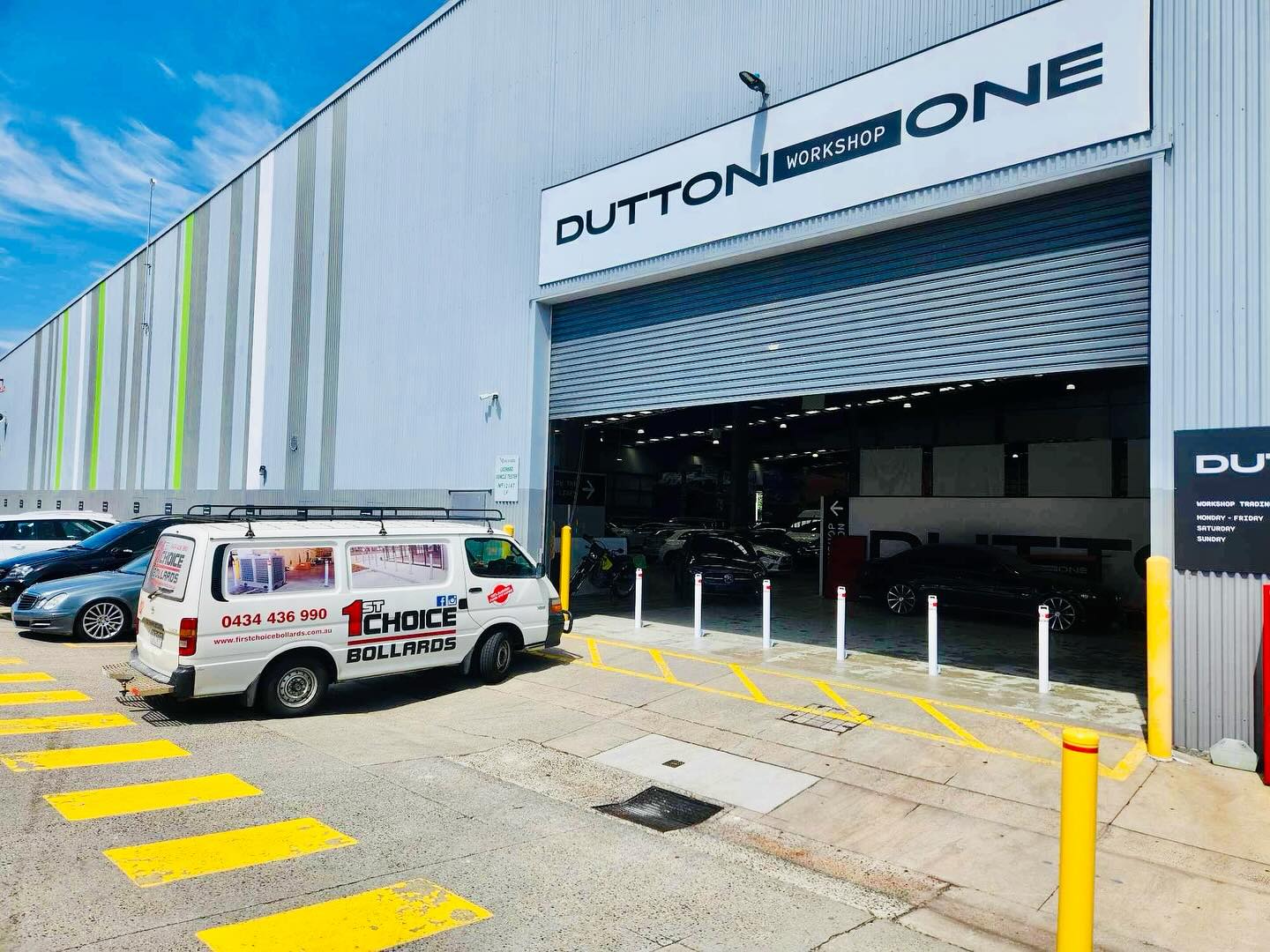
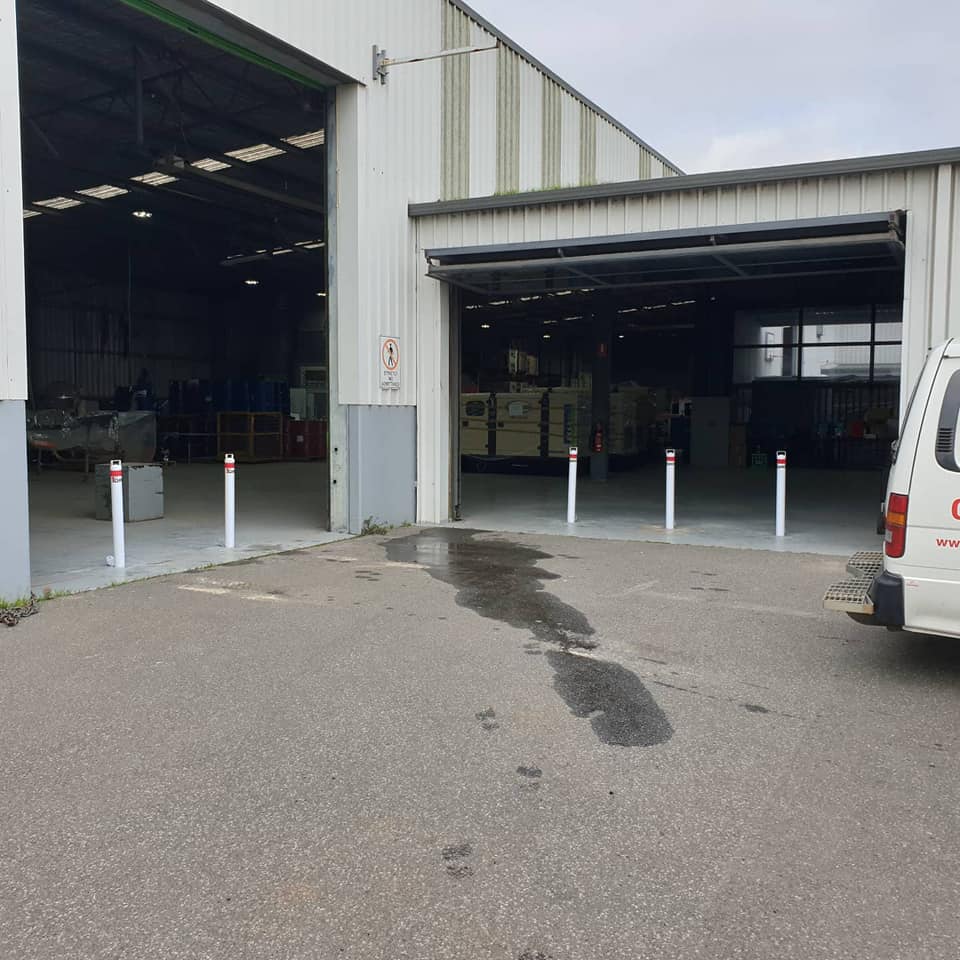
Industrial bollards protect two categories of asset: structural elements and stored goods. In a warehouse, a single forklift strike to an unprotected racking upright can compromise an entire bay. If that bay is loaded, the consequences extend well beyond the cost of the bollard that should have been there.
Forklift traffic follows predictable routes. The highest-risk locations for industrial bollard installation are:
Column protectors and rack-end barriers work alongside standalone bollards to create a layered system that absorbs impact before it reaches the asset.
Colour matters in these environments. High-visibility yellow is the industry standard for a reason: it works. Drivers see it in peripheral vision. It reads clearly under warehouse lighting. And it signals a boundary without requiring signage.
Retail and hospitality sites add a layer of complexity that pure industrial environments do not have. Bollards need to stop vehicles, define boundaries, and look like they belong. A row of heavy steel posts outside a cafe on Chapel Street sends a different message than the same posts outside a panel shop in Dandenong.
Stainless steel and powder-coated bollards suit retail frontages because they integrate with the streetscape. Councils across Melbourne often specify finish, height, and spacing requirements for bollards installed on or near public footpaths, so checking local planning overlays before ordering is worth the phone call.
Removable bollards are common at retail sites where delivery vehicles need periodic access to pedestrian zones. A lockable removable bollard allows a shop owner to drop the post for a morning delivery and replace it before foot traffic peaks. This avoids the compromise of leaving a permanent gap that vehicles could exploit at any hour.
On multi-tenancy commercial sites, bollards often serve as the simplest form of access control. Reserved bays, private laneways, after-hours entry points, and shared service corridors all benefit from bollards that can be locked in place or removed by authorised users.
The most common access control bollard options for commercial sites:
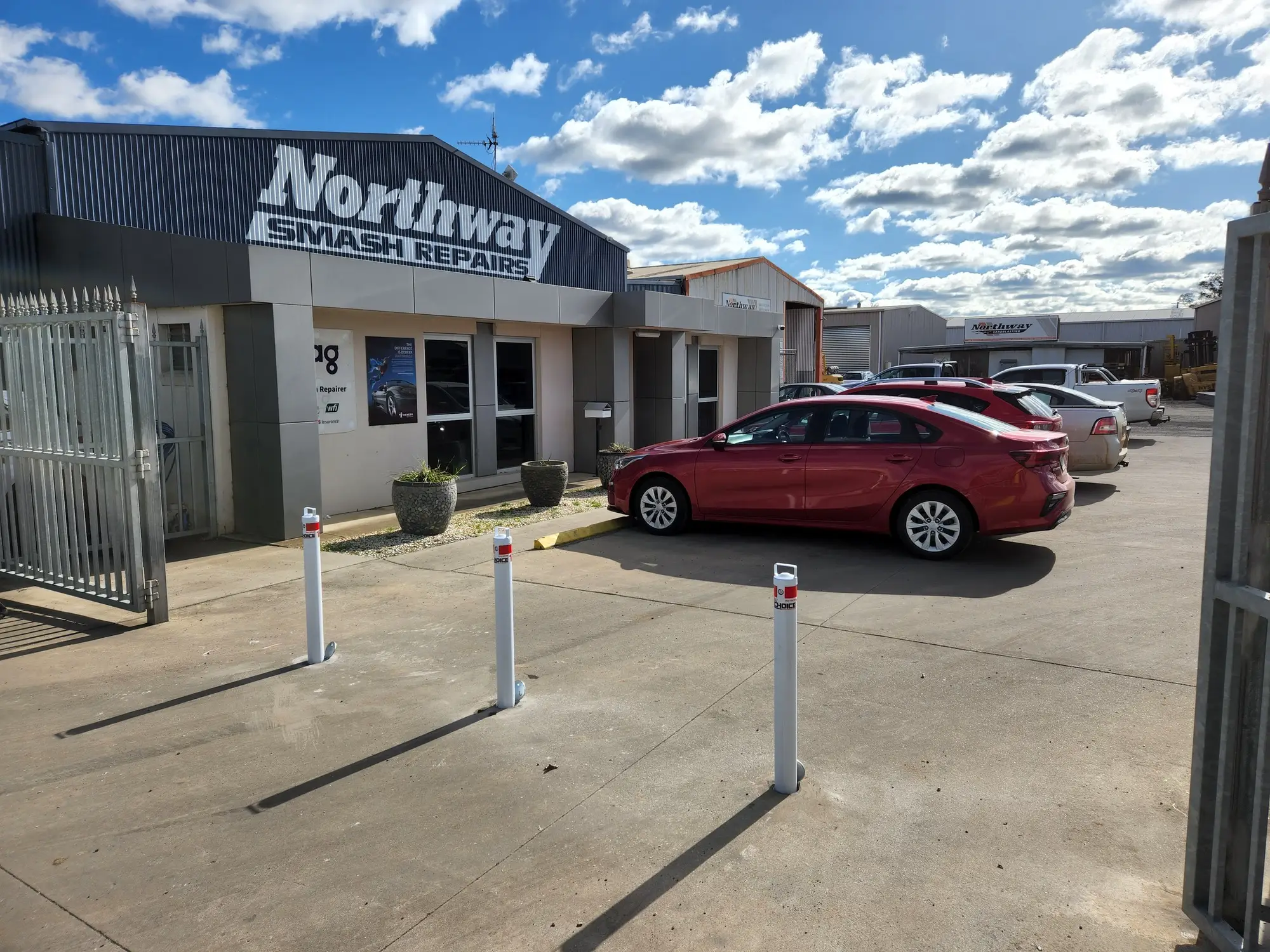
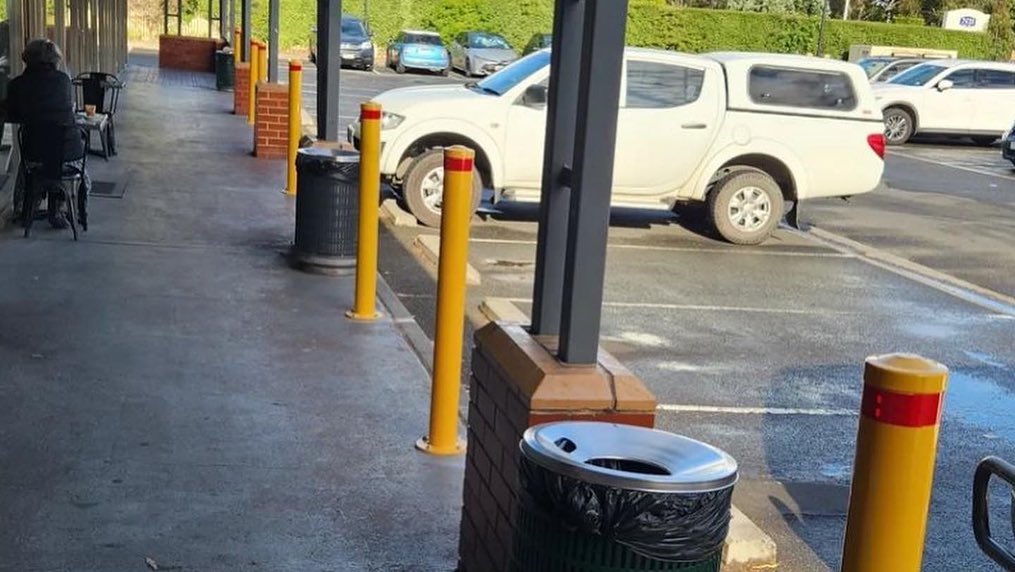
Some of the most expensive bollard-preventable damage happens to equipment that nobody thinks about until it fails. A single reversing vehicle can take out equipment that costs tens of thousands of dollars to replace and weeks to reinstate.
Ground-level assets most often damaged on commercial properties include:
Bollard installation around infrastructure assets is a straightforward risk calculation. The cost of two or three bollards is a fraction of the cost of a single incident. Property managers who include bollard protection in their annual maintenance budgets find it easier to justify the spend than those who wait for an insurance claim to force the decision.
Across every commercial environment, five factors shape where bollards should go and which type suits the application.
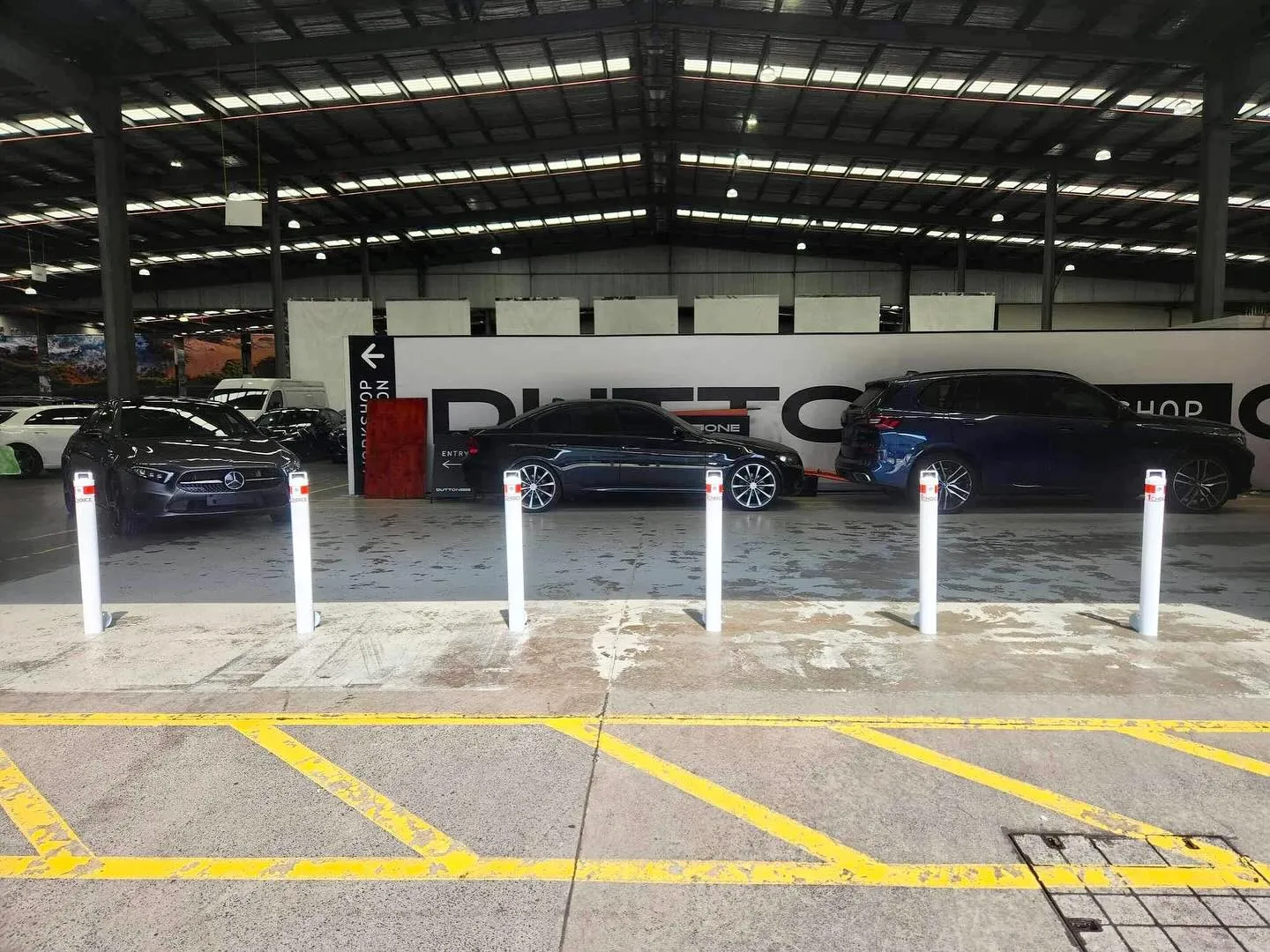
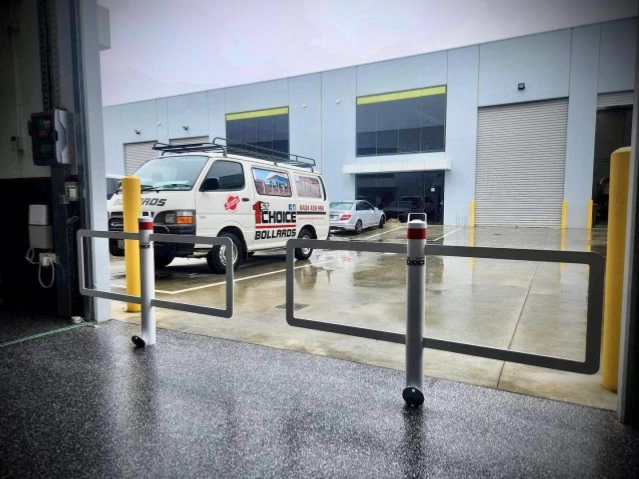
Off-the-shelf commercial bollards suit the vast majority of applications. The product is rarely the weak link. The weak link is placement: choosing the wrong location, the wrong spacing, or the wrong mounting method for the site conditions.
A short site walkthrough with a bollard supplier who understands commercial environments will identify the high-risk zones, flag any subsurface issues, and confirm the right product for each location. That conversation takes less than an hour. The protection it delivers lasts for years.
Commercial bollards are most commonly installed in car parks, loading bays, warehouses, retail frontages, and around infrastructure assets such as switchboards and gas meters. Each environment has different risk profiles that influence bollard type and placement.
Standard spacing for pedestrian protection is 1.2 to 1.5 metres between centres. Spacing may vary depending on vehicle turning circles, accessibility requirements, and the width of the asset being protected.
Heavy-duty steel bollards in high-visibility yellow are the standard for warehouse environments. In-ground bollards with concrete footings are preferred where slab depth allows, as they absorb greater force from forklift and vehicle impact.
Bollards installed on private commercial property generally do not require council approval. However, bollards placed on or near public footpaths, road reserves, or within planning overlays may require a permit. Check with your local council before installation.