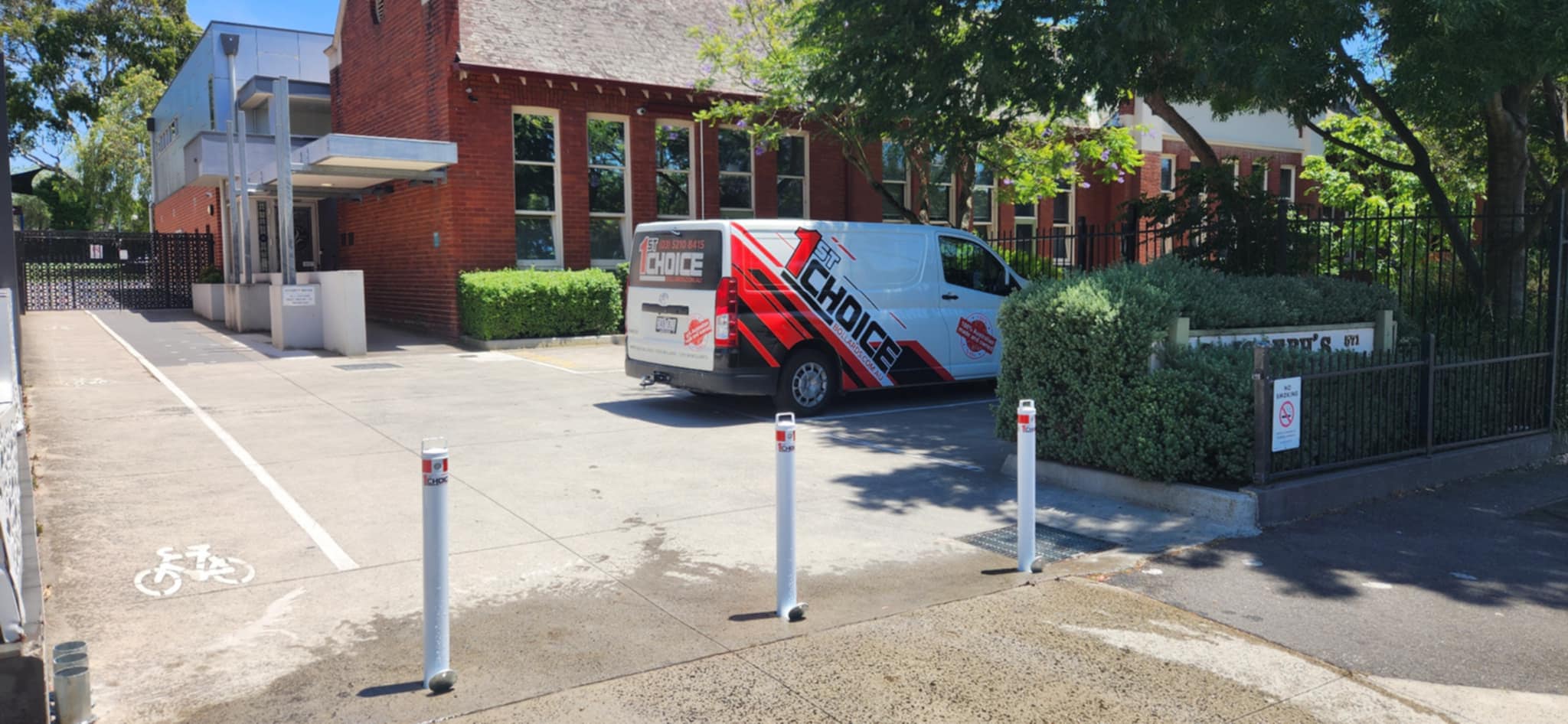
An automatic bollard buys you time and effort at the gateway. Nobody gets out of the vehicle. What it charges you for is a power supply, a control unit, and a pit in the ground that has to drain. You also need a way to get the post down when the supply fails. A keyed removable bollard asks for none of that: nothing to wire, no electrics to fail. Somebody does have to walk over, unlock it and lift it out. How often the gateway opens decides which of those problems you would rather have.
Many people come to this after two quotes have landed a long way apart. Neither quote explains the gap, because the gap is not really about steel.
An automatic bollard is a post that raises and lowers itself under power. A motor or a hydraulic unit, which is an oil driven ram, does the lifting. The driver triggers it with a remote, a keypad, a phone or a sensor loop set in the road.
The words get used loosely, and that is half the confusion. Four are worth separating.
If the job is stopping vehicles hitting something rather than letting the right ones through, the choice runs on different ground. There is a separate guide to access control against asset protection.
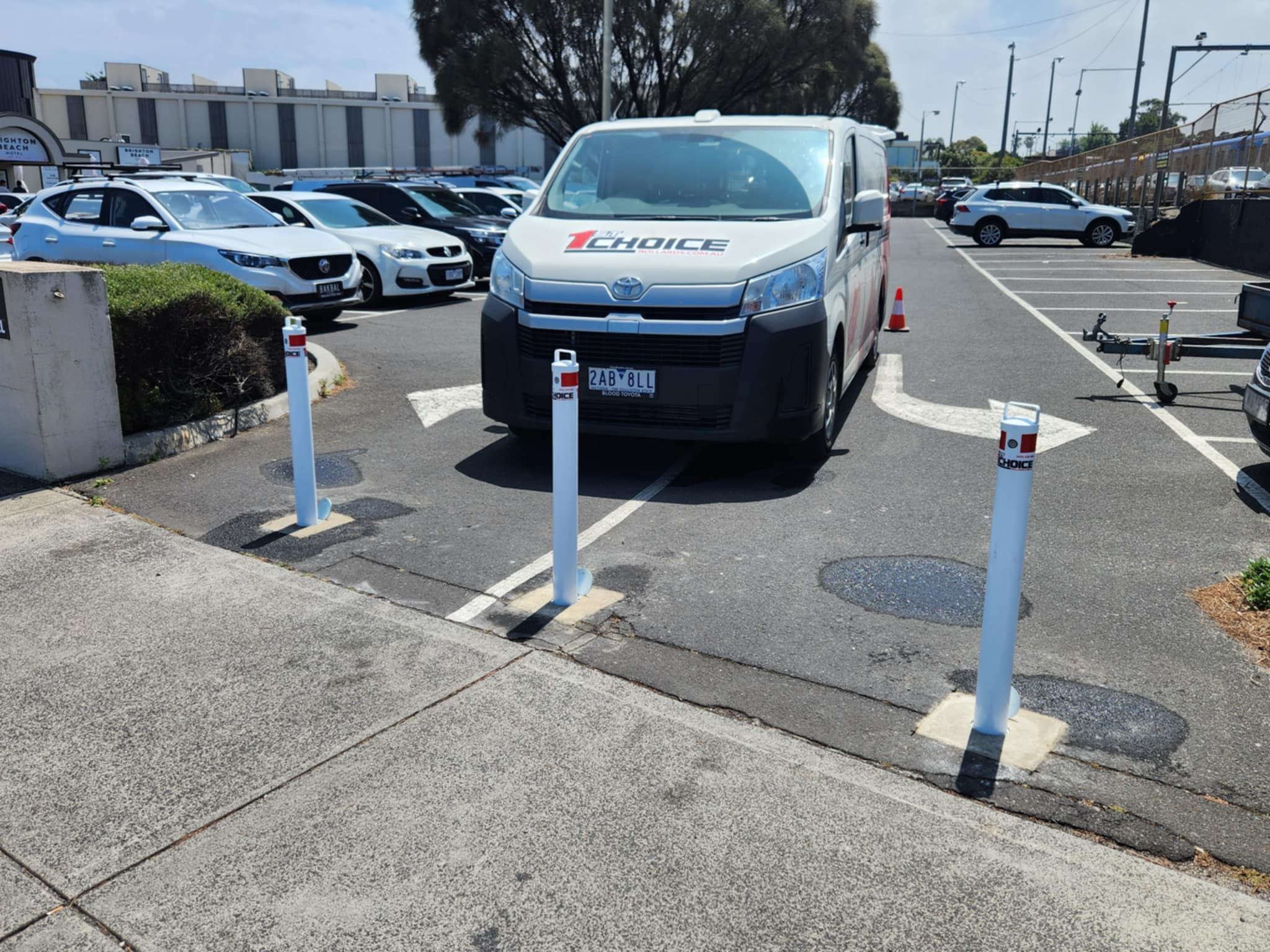
Frequency decides this, not the size of the site or the value of what sits behind the gate. A gateway opened twice a day and one opened forty times a day are different problems.
Count your own before you talk to anyone. How many vehicles, how many trips each, and at what hour. Then ask whether anybody is on site to work a post by hand at six in the morning.
Manufacturers build to that count, which is the clearest sign it matters. Pilomat gives a usage frequency of 100 cycles a day for the 127 mm model in its electromechanical range, which is the electrically driven kind. It lists the series as ideal for high frequency installations at 1,000 cycles a day. Its hydraulic range is listed as suitable for intensive use at 2,000 cycles a day. Those figures belong to those products, but the pattern is general: a powered post is built around how often it moves.
What the motor buys back is easy to measure. FAAC’s specification for its J200 hydraulic bollard gives a rise of five seconds and a descent of seven. Against that, put the walk, the key, the lift, and somewhere to stand the post. On a gateway used twice a day, nobody notices. On one used forty times, it is somebody’s job.
The post stays up. FAAC’s page for its J200 range lists a hydraulic lock in the high position in case of power failure, released with a special key. That is the default on that range, and nobody selling a powered bollard leads with it.
So the question is not whether the bollard fails. It is who holds that key, and whether they are on site when the supply drops.
Work out what a shut gateway costs you for an afternoon. A driveway where the car waits is an inconvenience. A rear laneway that has to get a truck out during a summer outage is not. That site needs a named person with the key, and a spare set.
Battery backup and fail-safe options come up in sales conversations. Ask in writing what the unit does when the supply drops.
This is where the quotes separate, and most of it is civil work rather than product.
None of that is a reason to avoid a powered bollard. It is why one costs what it costs, and the part a first quote leaves out.
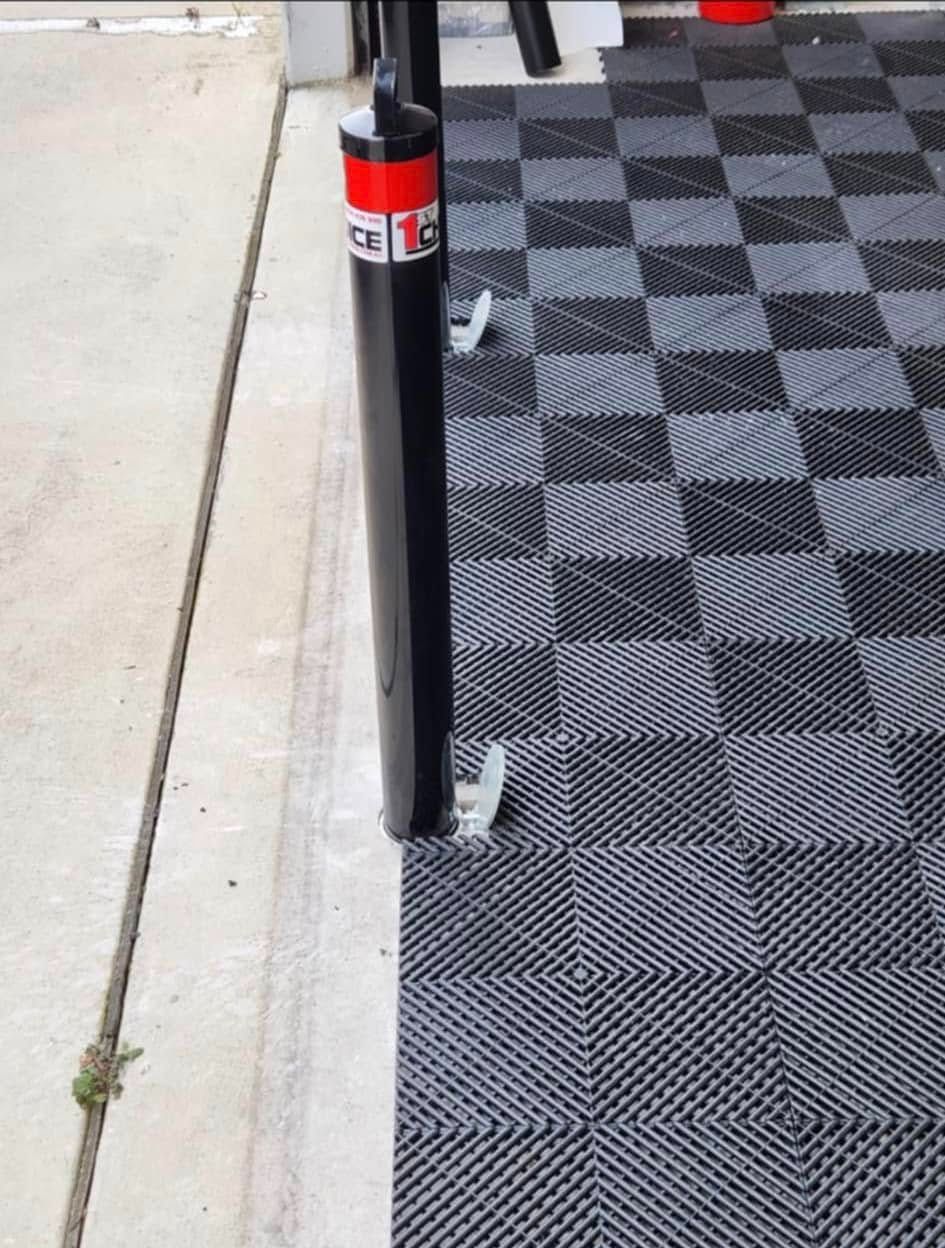
Start with what a removable post cannot do. Somebody has to attend, every time. It is slow, and wrong for a busy entrance or a site with nobody on it. The post also has to be carried and stored. At 12 kg for a 5 mm wall and 18 kg for a 10 mm wall, it suits some users better than others. Keys get lost, and a lost key holds the bay shut until it is replaced. A sleeve set badly causes trouble later, and there is a guide to how a removable bollard is installed.
Now the other side. There is no power supply, no control box, and nothing to fail in the wet. The sleeve goes in the ground instead of an excavation and a drained pit. The install is a much smaller job, and the post is a great deal cheaper to buy and cheaper to keep.
For one space used by one person, that trade is easy. Hand operation of a single reserved bay is worked through in its own article.
First Choice supplies keyed removable and fixed bollards that people work by hand. It says on its own site that it does not make or install automatic or app-controlled bollards.
So here is the question worth asking anyone who quotes you a powered unit. Who on site will hold the release key, and will they be there at six on a Sunday morning? Count the openings at your gateway for a week, photograph the spot, then ask First Choice for a quote with that number.
Not as a swap. The sleeve a removable post sits in is far smaller than the pit a powered unit needs. The work is a fresh excavation, drainage in the base of that pit, and a supply run out to the gateway.
Some ranges are sold that way, alongside remotes, keypads and loops set in the road. The control you get depends on the range, so treat it as a question for the supplier rather than a given.
Any post that has been struck should be checked before anyone trusts it again. A powered unit also has moving parts and wiring below the surface, so damage that does not show at ground level is worth looking for.
Pilomat builds its own maintenance contracts around two visits a year. Plan for a schedule like that as part of owning a powered post, rather than treating it as an extra.