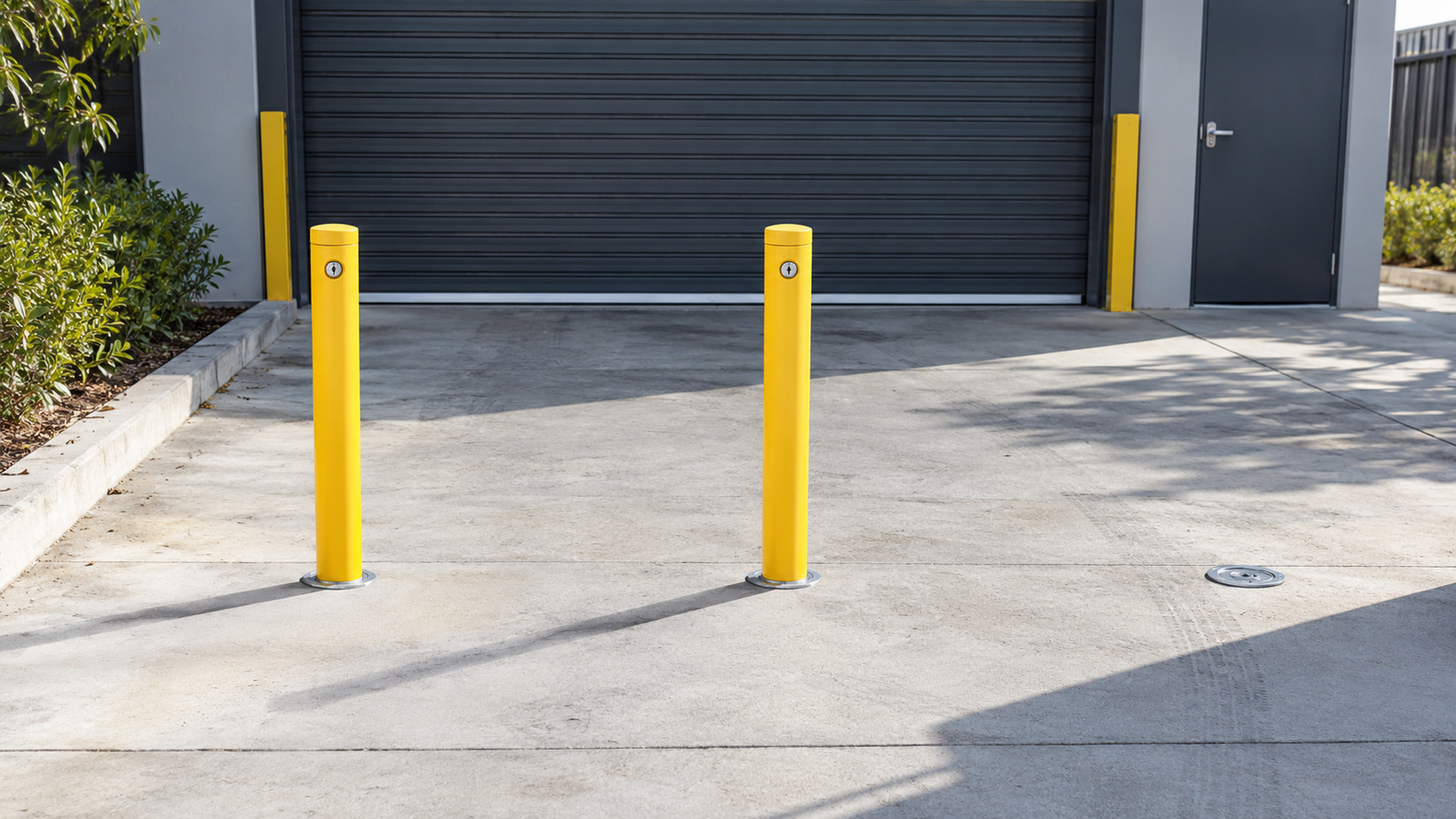
Yes, bollard hire exists. Buying deserves a close look when the same opening needs regular access control. A removable steel post can come out while its sleeve stays installed for future use. That is a practical reason to own the equipment. It does not prove buying is cheaper; that needs comparable quotes for the actual job.
Check the product before comparing the arrangement. A plastic post offered for marking a work area and a keyed steel post installed in concrete answer different needs. The word bollard alone tells you too little to choose between them.
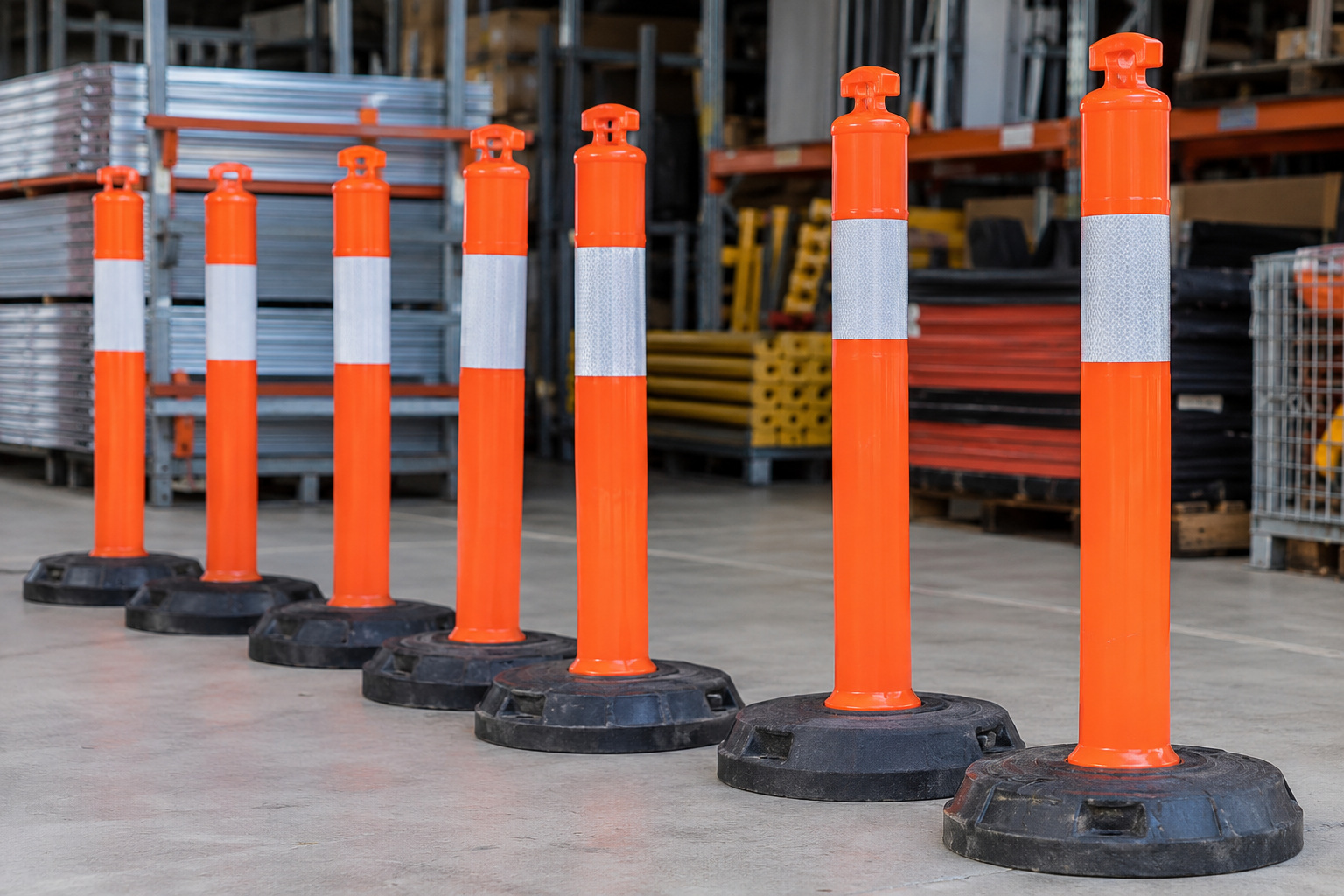
Bollard hire exists, but the name alone does not tell you what the product does. Two published hire examples show the distinction:
Hiring an installer means engaging someone to fit equipment you are buying. It is a different arrangement from renting the equipment.
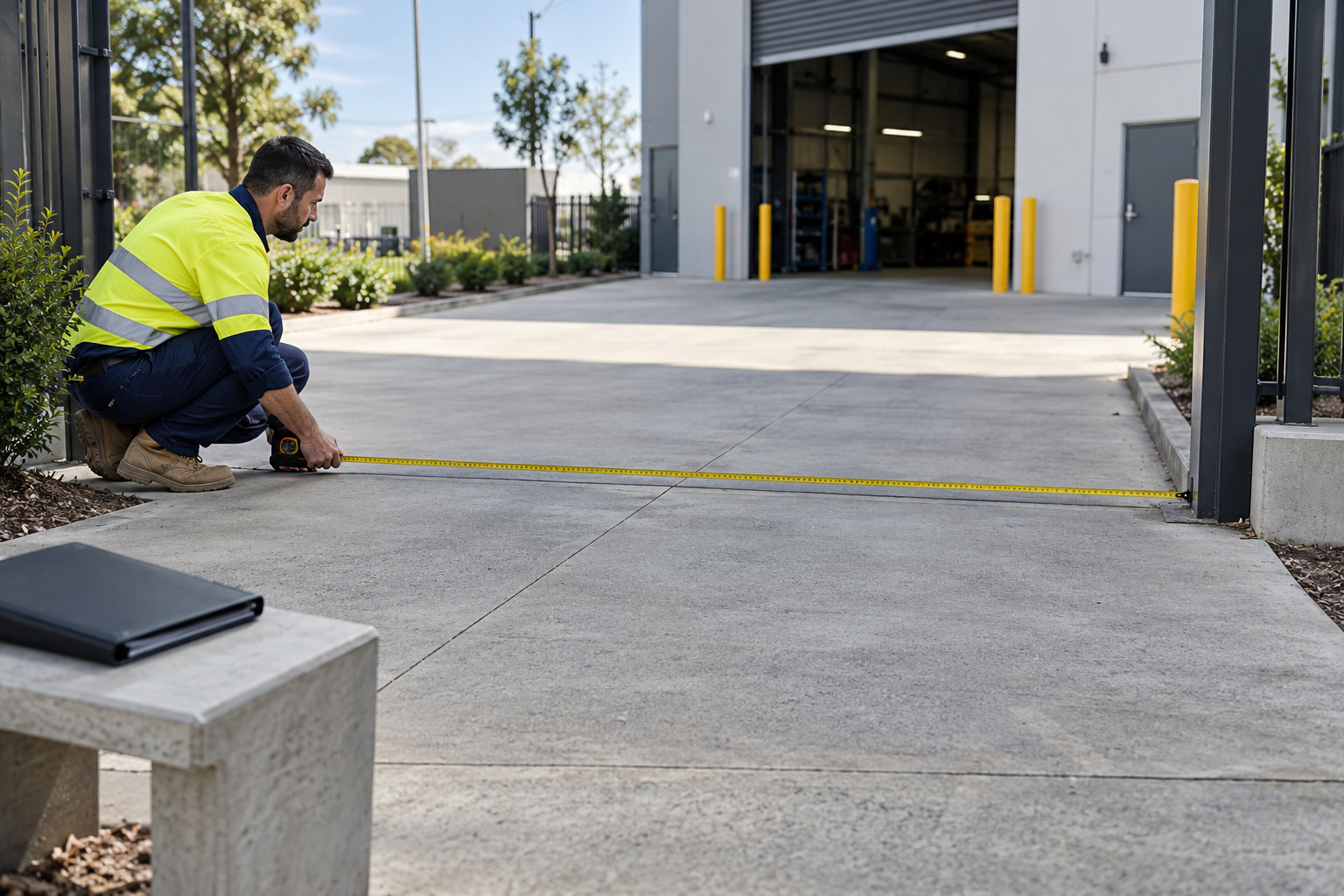
Before buying an installed system, check your right to alter the surface. This matters on a site you plan to leave, land you do not control or a works area where surface changes are restricted. A short need does not make a permanent sleeve suitable by itself.
Check permission and reinstatement before work starts. If hired equipment is involved, establish who is responsible for damage during that agreement. Neither temporary use nor a product label answers those questions.
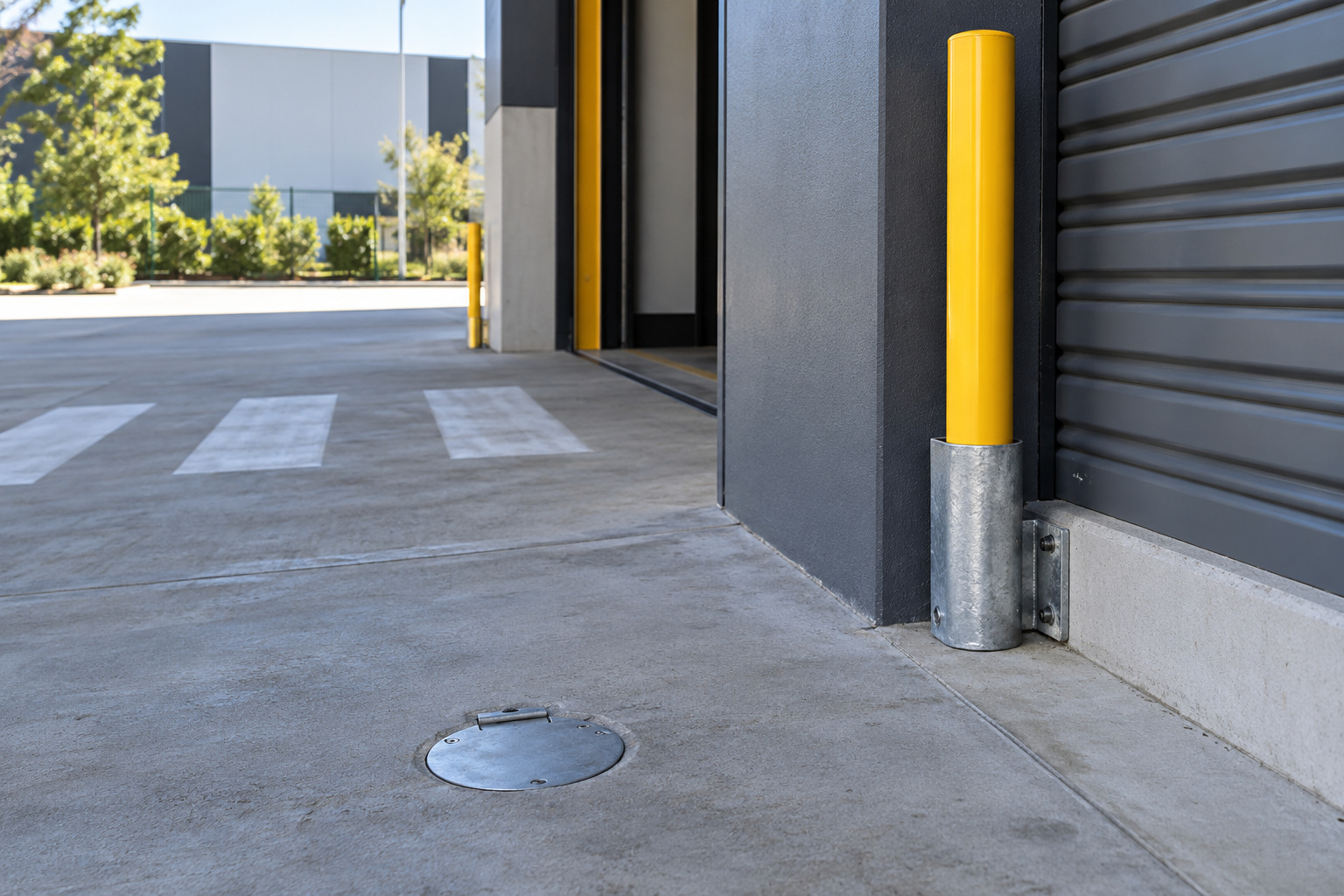
The strongest purchase case is a continuing need at the same location. Once a suitable removable system is installed, the owner has equipment available to use again. Opening the access does not require taking out the whole installation.
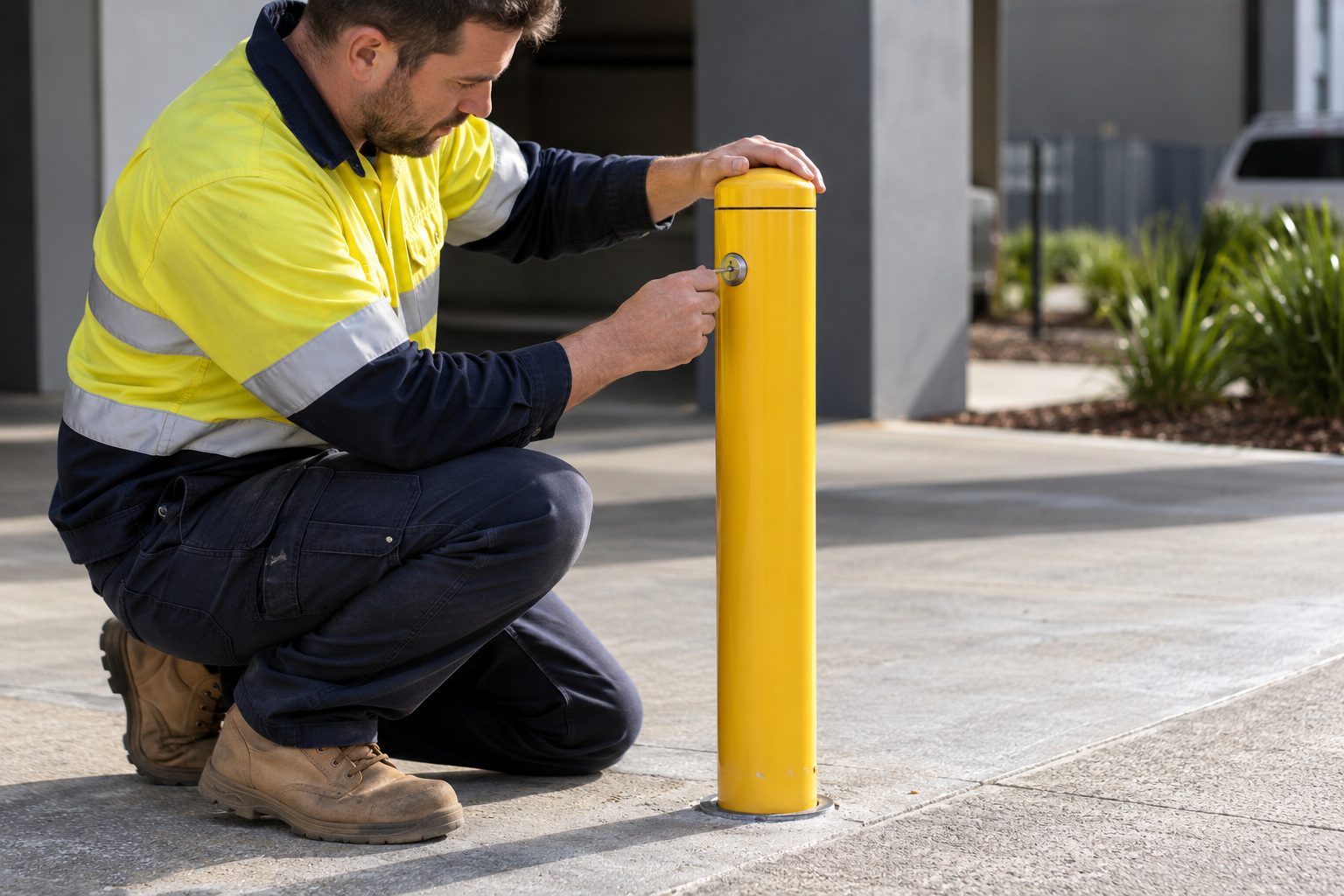
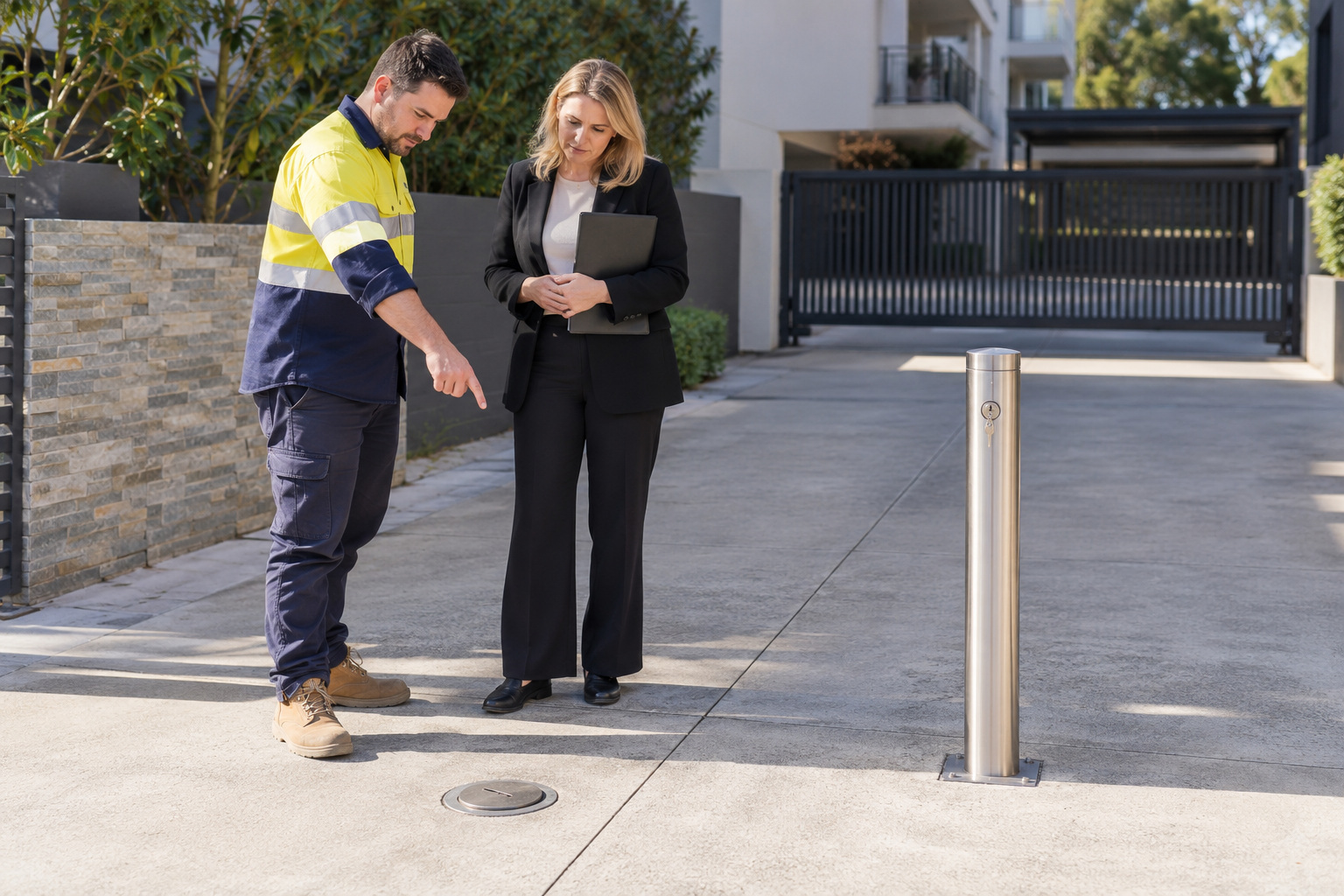
The post and its sleeve do different jobs. The sleeve is fixed into the concrete and remains when the post is removed. The steel post fits into it and uses a keyed lock. The published design needs the key for removal; a lid covers the sleeve when the post is out.
Semi-permanent bollards use that distinction between an installed base and a removable post. It can suit an opening that needs to be available at some times and controlled at others. The installation still needs to be appropriate for that site’s purpose and layout.
Ownership also means keeping the equipment after each use, rather than returning it under a hire arrangement. You decide when the post is removed and replaced, within the site’s access plan. That can be useful where the need repeats, but someone still has to operate and store it.
Before you buy bollards, understand how a removable bollard goes together. The general published model uses 90 mm pipe. Its 5 mm wall version weighs 12 kg and its 10 mm wall version weighs 18 kg. Those are handling weights, not a promise that either is safe for everyone to lift.
A galvanised holder provides a place to store the removed post. Include that space in the purchase plan. Equipment that has nowhere to go when access is open can become an obstacle elsewhere on the site.
The recurring use is the reason to investigate buying. It does not establish a saving. Compare the complete purchase and installation proposal against an equivalent alternative before drawing a cost conclusion. Different equipment or a different job makes the comparison misleading.
A removable post is not a freestanding product that can simply move with a works area. Its sleeve is an installation commitment. Consider the practical limits before the convenience:
A new location needs its own suitable sleeve installation. Taking the post away does not move the existing sleeve with it. Confirm compatibility and site suitability rather than assuming one post can be used in any opening.
Choosing a fixed post or a removable one is a separate product decision. For the hire-versus-buy question, the useful distinction is ownership of an installed system. Removability changes access; it does not establish a vehicle-stopping result or make every floor suitable.
Put the practical questions into the purchase enquiry:
Also ask who is responsible if a bollard is hit. A product quotation should not be mistaken for an answer about liability. Keep that question separate from the choice to own the equipment.
If you occupy leased premises, check the lease and the permission needed before altering the surface. There is no need to assume the same arrangement applies to every tenancy or to decide it from the length of your stay.
The installation remains after an individual use ends. Include future access, storage and any planned move in the decision now. Those details help distinguish a useful owned asset from equipment installed in a place you will soon stop using.
Ask First Choice Bollards for a purchase proposal describing the opening, surface and dates. Its supply and installation area covers Melbourne and Geelong. The useful starting point is how that same location will be used again, alongside what it needs today.
Published hire examples include plastic traffic and crowd-control posts for marking routes. Those examples do not describe every hire product or the installed keyed steel system considered here.
Yes, for the removable system described here. Taking out the post leaves the installed sleeve, with its lid covering the opening.
The post can be taken away, but its installed sleeve stays behind. Another site needs a suitable sleeve and an assessment of compatibility, position and surface.
The published 90 mm models weigh 12 kg at 5 mm wall thickness and 18 kg at 10 mm. Decide whether the handling suits the people who will operate the post; neither figure proves a safe one-person lift.